
Tarun Tejpal Found Guilty: A Landmark Ruling in Sexual Assault Case
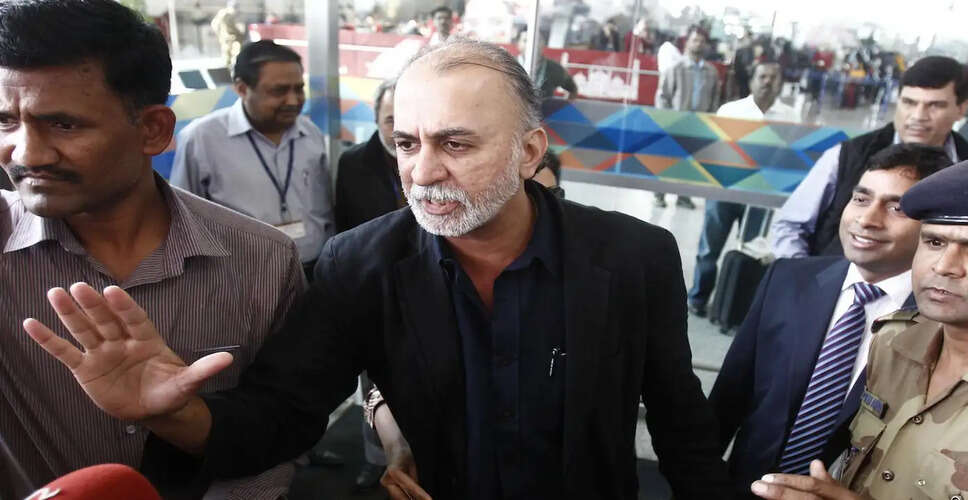

Bombay High Court Delivers Verdict
In a significant ruling, the Bombay High Court has convicted Tarun Tejpal, the former founder of Tehelka, for the rape of a colleague that occurred in 2013. This decision overturns a previous acquittal by a Goa sessions court from five years ago.
Tejpal has been found guilty under multiple sections of the Indian Penal Code, specifically Sections 376(2)(f), 354(a), and 354(b).
Section 376(2)(f) addresses cases where an individual in a position of trust or authority commits rape against a woman. Meanwhile, Section 354(a) pertains to sexual harassment, which includes unwelcome physical contact and demands for sexual favors. Section 354(b) penalizes any man who uses force or incites such actions against a woman with the intent to disrobe her.
The scope of Section 376 was expanded following the infamous December 16, 2012 gang rape incident, thanks to recommendations from a committee led by former Chief Justice of India J S Verma.
The Justice Verma committee's report, released on January 23, 2013, advocated for stricter penalties for rapists, including those in law enforcement and public service roles. These recommendations were later integrated into the Criminal Law (Amendment) Act 2013, which took effect on April 3, 2013, introducing significant changes to sexual offense laws, including the addition of Section 376A.
According to Section 376A, if a sexual assault results in death or leaves the victim in a persistent vegetative state, the perpetrator faces a minimum of 20 years of rigorous imprisonment, potentially extending to life imprisonment or even the death penalty.