
Tamil Nadu Government Appeals Supreme Court Ruling on Animal Slaughter Ban
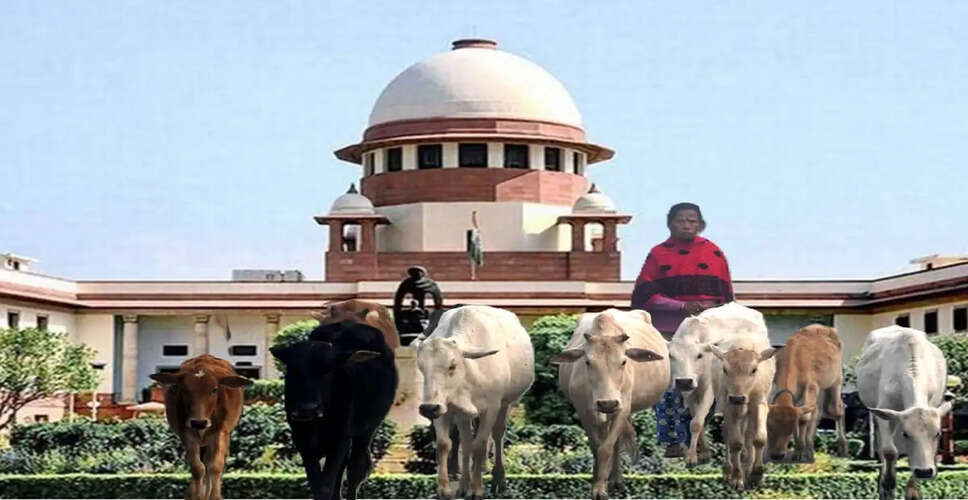

Tamil Nadu Challenges High Court's Directive
The Tamil Nadu government has approached the Supreme Court to contest a Madras High Court ruling that mandated the state to ensure no cows or calves are slaughtered during Bakrid or on any other day. The government argues that this decision effectively imposes a blanket ban, which is not supported by existing laws. In its Special Leave Petition (SLP), the state contends that the High Court overstepped its bounds by imposing a statewide restriction, while the original Public Interest Litigation (PIL) was specifically aimed at preventing the slaughter of cows in public areas during Bakrid in Coimbatore.
High Court's Order Exceeds PIL Scope
According to the Tamil Nadu government, the PIL sought to ensure that animal slaughter occurs only in licensed abattoirs and not in public spaces. The state informed the High Court that it had already increased surveillance, identified designated slaughterhouses, deployed officials for inspections, and taken precautionary measures to prevent animal slaughter in public areas. However, the High Court went further by directing the government to ensure that no cows or calves are slaughtered on the eve of Bakrid or any other day. The state argues that this directive equates to a 'complete and comprehensive ban,' which was neither requested by the petitioner nor supported by the legal framework governing animal slaughter in Tamil Nadu.
Current Laws Regulate, Not Prohibit
The government asserts that the Tamil Nadu Animal Preservation Act of 1958, the Tamil Nadu Urban Local Bodies Act of 1998, the Tamil Nadu Urban Local Bodies Rules of 2023, the Prevention of Cruelty to Animals Act of 1960, and related regulations create a framework that regulates rather than outright bans animal slaughter. The state also pointed out that the 1958 Act permits the slaughter of certain categories of cows, such as those that are beyond a specific age or deemed unfit for breeding or work, provided legal conditions are met. The petition claims that by issuing a complete ban, the High Court effectively imposed judicial directives in place of legislative policy.
State Questions Court's Comments on Religious Practices
The Tamil Nadu government has also raised objections to the High Court's remarks regarding whether the sacrifice of cows is a necessary religious practice in Islam. The state argues that this issue was not raised by any party and is unrelated to the ongoing dispute before the court. The petition also challenges the High Court's ruling based on a 1976 government order aimed at improving milk production and the rural economy. The state contends that executive directives cannot supersede legal provisions governing animal slaughter.