
Taiwan Tensions Resurface During Trump-Xi Talks in Beijing

Taiwan: A Central Issue in US-China Relations
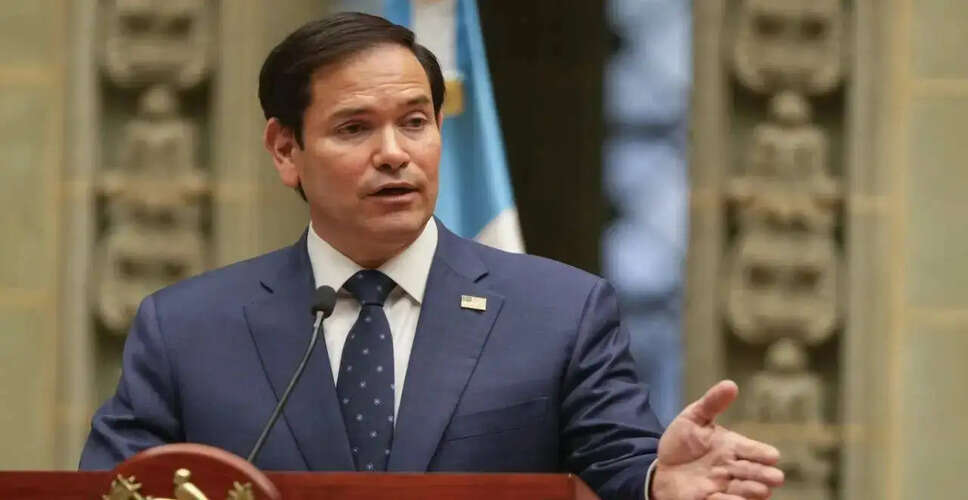
During a pivotal meeting in Beijing this week between US President Donald Trump and Chinese President Xi Jinping, Taiwan emerged as a critical point of contention in the ongoing US-China relationship. US Secretary of State Marco Rubio emphasized that China would prefer a peaceful, voluntary reunification with Taiwan rather than a military approach. He cautioned that any military attempt to enforce reunification would be a significant error.
Rubio, addressing the increasing global attention on the Trump-Xi discussions, noted that China ideally seeks a scenario where Taiwan would willingly join them through a referendum or political process. He remarked, “In a perfect world, what they would want is some vote or a referendum in Taiwan that agrees to fold in.” This desire for what Beijing terms 'reunification' has been a key aspect of Xi Jinping's political agenda since he took office.
Marco Rubio: I think China's preference is probably to have Taiwan willingly voluntarily join them. In a perfect world, what they would want is some vote or a referendum in Taiwan that agrees to fold in. I think that's what they would prefer. Ultimately it's featured… pic.twitter.com/587J7mwWoM
— Clash Report (@clashreport) May 14, 2026
Rubio further stated that Xi has made it clear that this so-called reunification is a necessity that must occur eventually. He reiterated that any attempt to enforce this through military means would be a grave mistake. These comments come at a time of heightened tension between Washington and Beijing, with Xi reportedly warning Trump that mishandling the Taiwan situation could lead to serious conflicts between the two nations.
Chinese officials have reiterated that Taiwan is the most crucial issue in their bilateral relations and have warned the US against endorsing any moves toward formal independence for Taiwan. While the summit between Trump and Xi was publicly portrayed as amicable, the Taiwan issue was a significant focus of their strategic discussions. Trump's visit, his first to China since resuming office, occurs amid rising tensions over trade, artificial intelligence, regional security, and China's increasing military presence around Taiwan.
Rubio has long advocated for stronger US support for Taiwan and has been vocal in his criticism of the Chinese Communist Party's policies, particularly regarding Hong Kong and Xinjiang. In the past, Beijing has imposed sanctions on Rubio due to his comments and actions concerning China's human rights practices and his support for Taiwan.
Despite officially adhering to the 'One China' policy, the US continues to enhance its military and strategic partnerships with Taiwan, including arms sales and defense collaborations. Conversely, China has consistently asserted its right to use force if necessary to achieve reunification, although it maintains that peaceful unification is its preferred approach.