
Suspicion Surrounds Sinking of Russian Cargo Ship Linked to North Korea
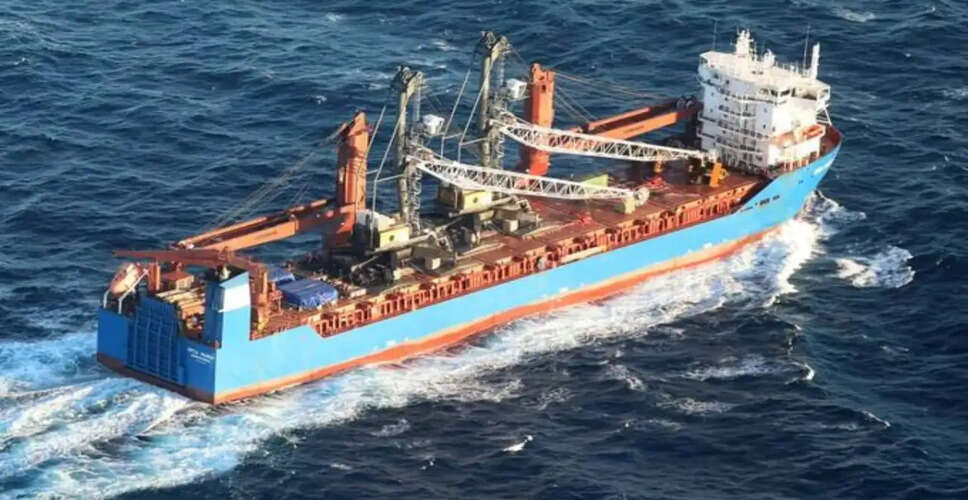

Mystery of the Ursa Major's Sinking
Recent developments regarding the sinking of the Russian cargo ship Ursa Major have sparked significant concerns about its potential role in transporting nuclear submarine reactor parts to North Korea prior to its demise off the Spanish coast in December 2024. The vessel, also referred to as Sparta 3, sank approximately 62 nautical miles from Spain’s southeastern shoreline after crew members reported hearing three explosions originating from the engine room. Officially, the ship had departed from Ust-Luga port in Russia and was declared to be carrying 'non-dangerous merchandise,' which included cranes, empty shipping containers, and large 'manhole covers.'
However, investigations reported by various media outlets have indicated that Spanish authorities grew suspicious of the ship's cargo and its route. Investigators noted that it seemed illogical for the vessel to undertake such a lengthy journey between Russian ports solely to transport empty containers and cranes.
After the incident, surviving crew members were rescued in Cartagena, where the ship's captain, Igor Anisimov, was interrogated. A statement from the Spanish government revealed that the captain eventually confessed that the so-called 'manhole covers' were, in fact, components of two nuclear reactors akin to those utilized in submarines, although he insisted they did not contain any nuclear fuel.
Furthermore, investigators reportedly spotted two large blue containers on the ship's stern through satellite imagery. Sources familiar with the investigation suggested that these reactors might have been intended for the North Korean port of Rason.
The intrigue surrounding this case intensified when investigators found a 50cm by 50cm hole in the ship's hull, with metal bent inward. Reports indicated that this damage could have been inflicted by a supercavitating torpedo, a high-speed weapon believed to be in the arsenal of only a few nations, including the United States, certain NATO allies, Russia, and Iran.
Additionally, Spanish seismic monitoring systems reportedly detected several underwater explosions near the wreck site just before the ship sank entirely. Shortly thereafter, the Russian vessel Yantar allegedly returned to the area, where more explosions were recorded.
These revelations come amid increasing scrutiny of military collaboration between Russia and North Korea, particularly following North Korea's backing of Moscow during the ongoing conflict in Ukraine.