
Surge in US Gas Prices Amid Ongoing Iran Conflict

US Gasoline Prices Reach Four-Year High
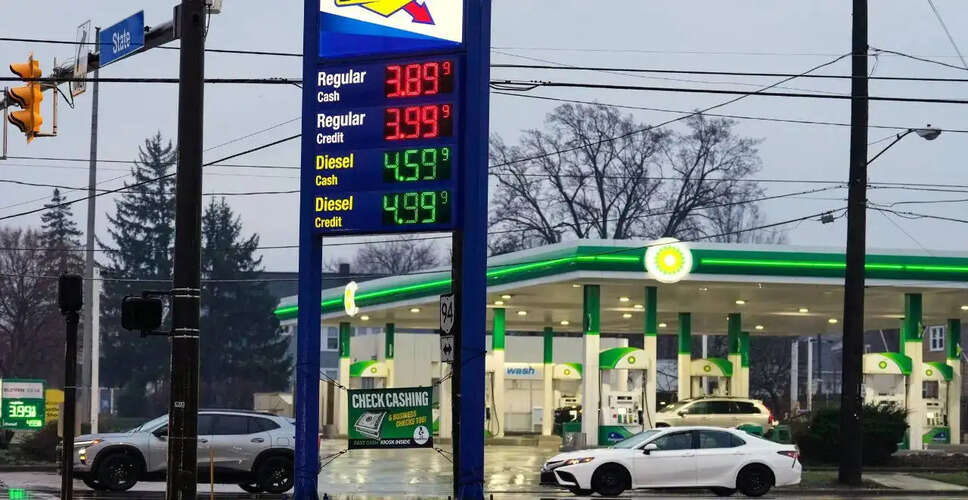
On Tuesday, gasoline prices in the United States soared to their highest point in four years, driven by the ongoing conflict with Iran and stalled peace talks that are pushing energy costs higher. The national average for a gallon of regular unleaded gasoline hit $4.18, as reported by AAA. This represents a 1.6% increase in just one day, marking the largest daily rise in over a month and the highest price since April 2022, shortly after Russia's invasion of Ukraine. Since the onset of the Iran conflict in late February, gas prices in the US have surged by over 40%.
Oil Prices on the Rise
Crude oil prices also experienced a significant increase on Tuesday, influenced by the deadlock in negotiations aimed at reopening the Strait of Hormuz and addressing Iran's nuclear ambitions.
- Brent crude, the global benchmark, rose by 4% to surpass $105 per barrel before settling around $104 following reports that the United Arab Emirates intends to exit OPEC.
- West Texas Intermediate (WTI), the US benchmark, increased by 5% to approximately $101 per barrel.
Brent crude has seen a rise of about $10 per barrel in the past week and remains over 40% higher than levels prior to the conflict. The ongoing disruptions in the Strait of Hormuz, which typically transports up to 20% of the world's oil supply, continue to exert upward pressure on prices. Iran's attacks on shipping and the US naval blockade of Iranian ports have significantly hampered oil flows from this critical region.
Diesel Prices Escalate
Diesel prices have surged even more dramatically, reaching $5.46 per gallon on Tuesday, reflecting a 45% increase since the conflict began.
Wall Street's Mixed Response
As energy prices rise, stock markets displayed caution on Tuesday. The S&P 500 index fell by 0.6%, as investors await earnings reports from major tech companies and the Federal Reserve's interest rate decision later this week. In Asia and Europe, stock indexes mostly declined, with Japan's Nikkei 225 dropping 1% after the Bank of Japan maintained steady rates but expressed concerns about inflation risks associated with the Iran conflict.
Profits for Major Oil Companies Surge
Major oil corporations are reaping the benefits of the increased prices. British energy giant BP announced on Tuesday that its first-quarter profits more than doubled to over $3 billion, describing the oil trading environment as 'exceptional.' New BP CEO Meg O’Neill stated that the industry is navigating a period of 'conflict and complexity' while playing a crucial role in maintaining global energy supplies.
With peace negotiations between the US and Iran appearing stagnant and no immediate resolution to the disruptions in the Strait of Hormuz, analysts predict that fuel prices will remain high in the upcoming weeks. The rising costs of gasoline and diesel are contributing to increased household expenses nationwide and exacerbating broader inflationary trends as the conflict enters its ninth week.