
Surge in Global Oil Prices Amid Rising Tensions in West Asia
Oil Prices Reach New Heights
On Monday, global oil prices soared to a five-month peak, driven by escalating tensions in West Asia following military actions by the United States and Israel targeting Iran's nuclear facilities. Reports indicate that the benchmark Brent crude briefly reached $81.4 per barrel, while US West Texas Intermediate hit $78.4 before experiencing a slight decline, stabilizing with about a 1% increase.
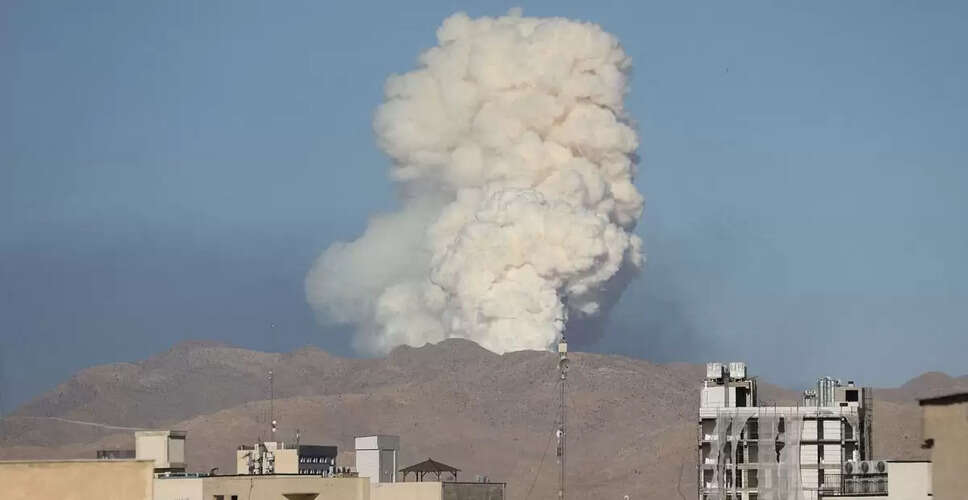
The conflict intensified over the weekend when the US officially entered the fray alongside Israel, with President Donald Trump declaring a successful operation against Iranian nuclear sites located in Fordo, Natanz, and Esfahan. This decision followed a week after Israeli forces targeted what they claimed were nuclear sites in Iran, aiming to hinder Tehran's nuclear ambitions. In retaliation, Iran launched missile strikes against Israel.
Market Reactions and Concerns
Despite no immediate disruptions to oil supplies, market analysts are factoring in potential Iranian retaliation, which could involve attacks on oil tankers. Iran stands as the third-largest oil producer within the Organization of the Petroleum Exporting Countries, making these developments particularly concerning for global oil markets.
The International Atomic Energy Agency's chief, Rafael Mariano Grossi, noted that Iran's Fordo facility likely sustained significant damage from the US strikes, which utilized bunker-buster bombs. He emphasized that a complete assessment of the underground damage is currently unattainable.
Continued Military Actions
The Israel Defense Forces confirmed a second strike on the Fordo site, aimed at obstructing access routes following the US attack. Additionally, Israel targeted Iranian security command centers and locations in Tehran, including Evin prison, where political prisoners are reportedly held.
Iran has issued warnings of a broader military response, with officials labeling Trump a 'gambler' and asserting that while the US may initiate conflict, Iran will determine its conclusion. In discussions with Iranian Foreign Minister Abbas Araghchi, Russian President Vladimir Putin condemned the US strikes as unjustified and reiterated Russia's support for the Iranian populace.