
Surge in Cyclosporiasis Cases Triggers Health Investigations Across 31 States
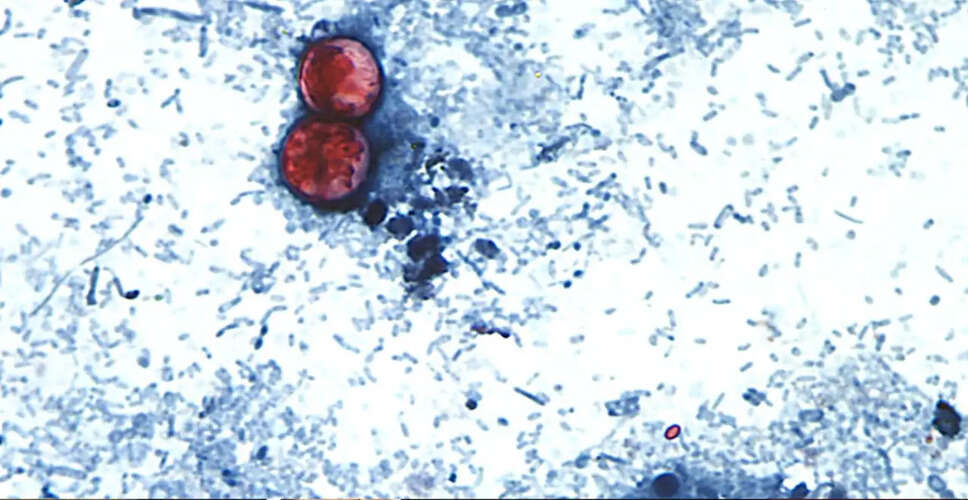

Health Officials Investigate Cyclosporiasis Outbreak
Health authorities are currently examining a notable increase in cyclosporiasis, an infection caused by an intestinal parasite, following confirmation of cases in 31 states by the US Centers for Disease Control and Prevention (CDC). As of July 9, the CDC reported 843 cases, while a tally from NBC News, based on data from state health departments, indicated over 4,000 cases across the country by July 13. Investigations are ongoing to ascertain if these illnesses stem from a shared source.
States Reporting High Numbers of Cyclosporiasis Cases
Cyclosporiasis outbreak map: Which states are reporting cases?
Among the states with the highest reported infections are Michigan, New York, Ohio, Illinois, and North Carolina. Since late June, Michigan has documented 2,640 cases, including around 44 hospitalizations, a number significantly higher than the state's typical annual average of 40 to 50 cases. Ohio has seen 364 cases, while New York has reported approximately 394 cases since May 1. Other states like Illinois, North Carolina, Colorado, Indiana, and Texas have reported 141, 205, 90, 72, and 48 cases respectively, with Texas noting five hospitalizations. Additionally, the CDC mentioned that over 1,500 cases are pending further investigation to determine if they were contracted domestically.
Understanding Cyclosporiasis and Its Transmission
What is cyclosporiasis and how does the intestinal parasite infection spread?
Cyclosporiasis is triggered by the Cyclospora cayetanensis parasite, which is transmitted through food or water contaminated with fecal matter. In the US, these infections are often associated with fresh produce. The parasite primarily affects the small intestine, leading to severe gastrointestinal issues. Person-to-person transmission is rare. Although the CDC has not identified a specific multistate outbreak, both the agency and the FDA are monitoring various clusters to pinpoint the source, with no particular food, grower, or supplier currently linked to the rise in cases.
Symptoms of Cyclosporiasis and Health Recommendations
Cyclosporiasis symptoms: Why the parasite causes severe diarrhea
The predominant symptom of cyclosporiasis is sudden, watery diarrhea, often described as "explosive" by the CDC. Other symptoms may include stomach cramps, bloating, nausea, vomiting, fatigue, and loss of appetite. Symptoms can manifest up to 14 days after consuming contaminated food or water and may persist for several weeks, with some individuals experiencing recurring episodes. Health officials continue to advise thoroughly washing fresh produce before consumption, although they state there is no current need to avoid fresh fruits and vegetables as investigations into the source are still in progress.