
Surge in COVID-19 Cases in India: Kerala and Maharashtra Most Affected
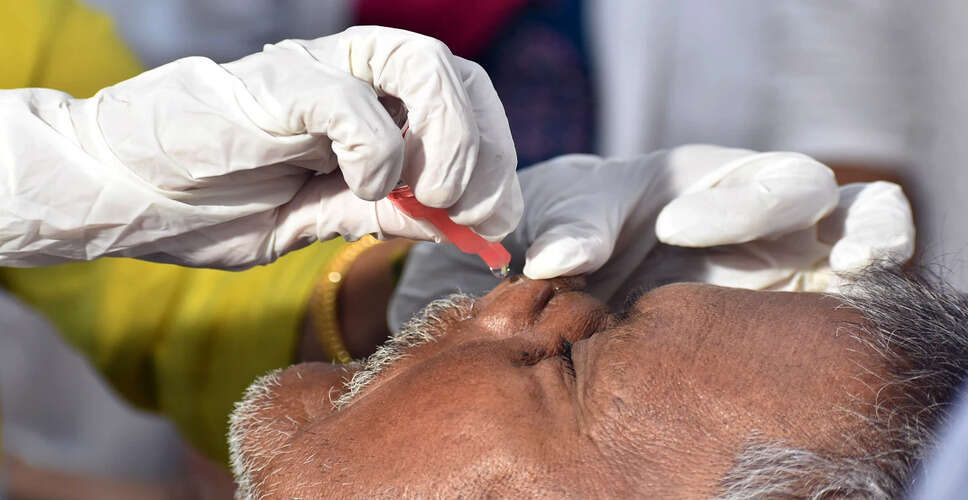
COVID-19 Cases on the Rise in India
India is witnessing a resurgence in COVID-19 cases, with a notable increase over the past few days. The highest number of infections has been reported in Kerala and Maharashtra, with some patients reaching critical conditions. Tragically, around 37 individuals have succumbed to the virus. Recent statistics indicate that the number of active COVID-19 cases in the country has surpassed 4,000, with Kerala being the most impacted state, as per the data released by the Health Ministry on Tuesday.
Active Cases Exceed 4,000
In the last 24 hours, the number of active patients recorded was 4,026, with five fatalities attributed to the virus. Since January of this year, 37 deaths have been reported due to COVID-19. On May 22, the count of active cases was just 257, which surged to 3,395 by May 31, and has now escalated to 4,026.
Monitoring COVID-19 Situation Closely
Currently, Kerala has the highest number of active cases at 1,446, followed by Maharashtra with 494, Gujarat with 397, and Delhi with 393. According to the Health Ministry, one death each has been reported in Kerala, Tamil Nadu, and West Bengal in the last 24 hours, along with two fatalities in Maharashtra. Official sources indicated on May 31 that the COVID-19 situation in India is under close observation. The Ministry emphasized that the severity of infections remains low, with most patients receiving treatment in home isolation, indicating no cause for alarm.
Genomic Sequencing Reveals New Variants
Dr. Rajiv Bahl, Director General of the Indian Council of Medical Research, stated on Monday that genomic sequencing of virus samples from western and southern India has revealed that the current variant causing the rise in cases is not severe and is a new strain of 'Omicron'. He mentioned that four new variants have been identified: LF.7, XFG, JN.1, and NB.1.8.1, all derived from the Omicron strain. Cases of infection are predominantly linked to the LF.7, XFG, and JN.1 variants. Dr. Bahl reassured, "We are closely monitoring the situation. While vigilance is necessary, there is no cause for concern."