
Supreme Court Weighs in on Journalistic Freedom Amid Protests in Delhi

Supreme Court Addresses Media Rights
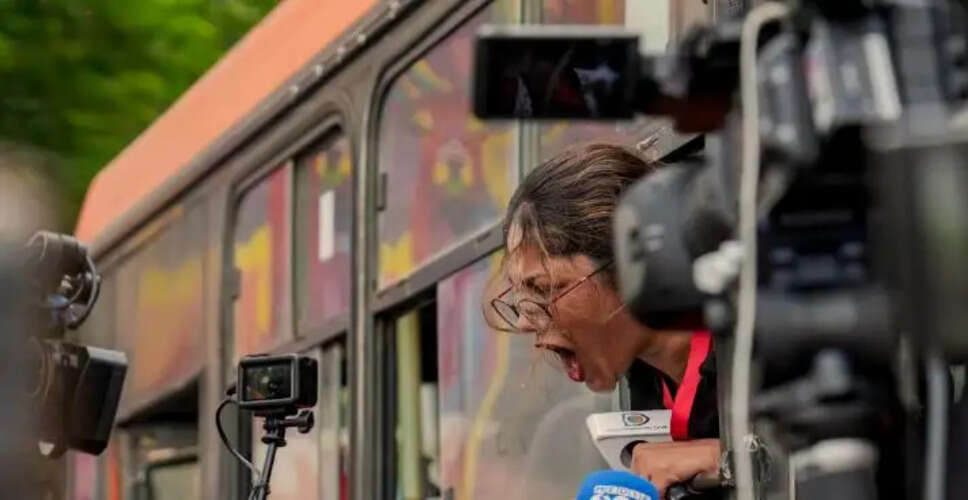
New Delhi: The Supreme Court has been informed by a petitioner organization that law enforcement cannot use 'law and order' as a blanket excuse to interfere with journalistic activities. This statement comes in light of allegations regarding the detention and assault of journalists during protests in Delhi last October.
These protests were organized in response to claims of misconduct by Chief Election Commissioner Gyanesh Kumar regarding the Election Commission's operations.
In a response to the Delhi Police's counter affidavit, the Network of Women in Media, India, emphasized that actions such as obstruction, forced removal, and harassment of journalists violate their personal freedoms and the press's right to gather and disseminate information.
"Journalists are often allowed to report from conflict zones and other hazardous situations, where the appropriate response is to ensure their safety and facilitate their reporting, not to remove them," the organization stated.
The Delhi Police, in their earlier affidavit, expressed their respect for press freedom but attempted to differentiate between journalists and filmmakers present at the protests in Jantar Mantar.
The petitioner argued that the police's reference to 'reel-makers' was misguided and seemed to serve as a justification for the obstruction and detention of journalists.
The core issue raised is not whether the police can maintain public order, but whether they can use that authority to hinder journalists who are performing their reporting duties, which contradicts Articles 14, 19(1)(a), 19(1)(d), and 21 of the Constitution.
The Supreme Court had previously ruled on October 11 that professionals, including lawyers and journalists, should not face any hindrance in fulfilling their duties.
"Law enforcement powers must be exercised within the legal framework and cannot be used as a blanket rationale for interfering with journalistic work," the petitioner asserted.
The organization also highlighted that sexual harassment faced by women journalists during their reporting undermines their dignity and safety, discouraging them from participating in journalism equally and without fear.
"This chilling effect extends beyond the individuals affected, impairing press freedom and making journalism a perilous profession for women," they added.
The petition seeks to safeguard the fundamental rights of journalists, especially women, against arbitrary actions such as obstruction, forced removal, detention, assault, and harassment, which violate their right to practice journalism and gather news.