
Supreme Court Urges Restraint from Law Enforcement During Student Protests
The Supreme Court has called for law enforcement agencies to exercise restraint when dealing with student protests, warning that violent responses could worsen tensions. During a recent hearing, the court linked ongoing petitions regarding violence during protests in Delhi and other states. CJI D.Y. Chandrachud emphasized the importance of listening to the concerns of young protesters and managing situations carefully to avoid further violence. The court's remarks come in the wake of clashes during a protest organized by the Cockroach People's Party against the NEET-UG paper leak, which resulted in numerous injuries among both protesters and police. This highlights the need for a balanced approach in handling public demonstrations.
| Aug 5, 2026, 15:35 IST
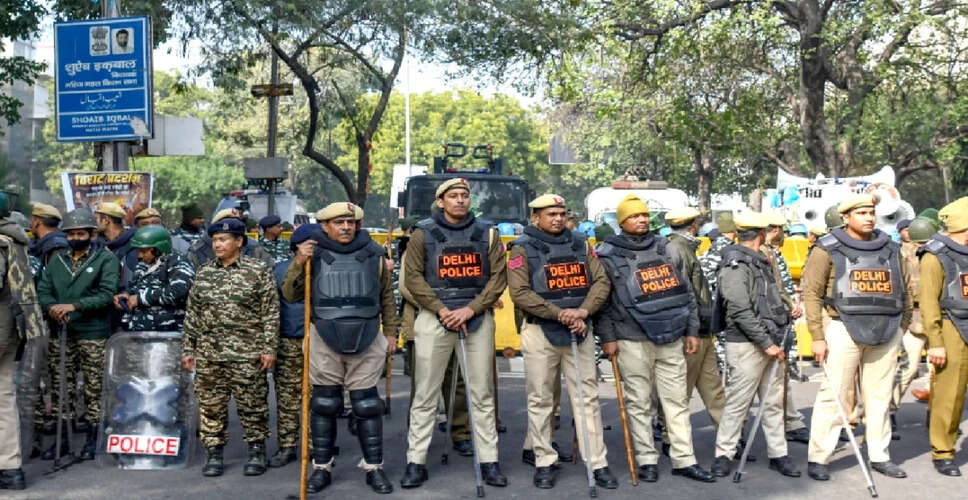

Supreme Court's Call for Caution
The Supreme Court emphasized on Wednesday that law enforcement agencies must exercise restraint when dealing with student protesters, as any violent response from authorities could exacerbate the situation. These remarks were made during the hearing of a petition concerning recent violence during student protests in Delhi and other regions, which included incidents of stone-pelting. A bench led by Chief Justice of India (CJI) D.Y. Chandrachud linked this case with other pending petitions related to violence during student demonstrations in Delhi and various states, stating that all matters would be heard together.
Need for Caution Among Authorities
Authorities Must Exercise Caution
Highlighting the necessity for security personnel to remain calm, CJI Chandrachud remarked that during peaceful marches in a democracy, security forces should also practice restraint. Officials must act with great caution to prevent youth from resorting to violence. A violent reaction could worsen the circumstances. The most significant strength lies in listening—to understand what protesters are saying and why they are opposing. The court warned against setting a dangerous precedent and stressed that the voices of the youth should be heard, and situations should be managed carefully to avoid further violence. The bench reiterated that violent responses would only escalate tensions. The key is to listen to their concerns and understand their motivations for protesting. These are young individuals who require considerable guidance. The court also noted that aggressive actions from a powerful government could unnecessarily escalate situations and incite more violence, which should be avoided. Furthermore, the court emphasized that law enforcement agencies should allow situations to be managed while judicial proceedings are ongoing.
Violence During CJP Protests
Violence During CJP Protests
On July 20, the 'Cockroach People's Party' (CJP) organized a 'March to Parliament' in protest against the NEET-UG paper leak controversy, which affected millions of students nationwide. Violence erupted during this march, leading to clashes between protesters and security personnel at Jantar Mantar and surrounding areas. According to the Delhi police, over 65 protesters and more than 200 police officers were injured in the chaos. The alleged use of plastic pellets by security forces during the operation later became a significant political issue, as reports emerged that several protesters sustained serious injuries.