
Supreme Court Urges Assam to Fast-Track Establishment of NIA Courts
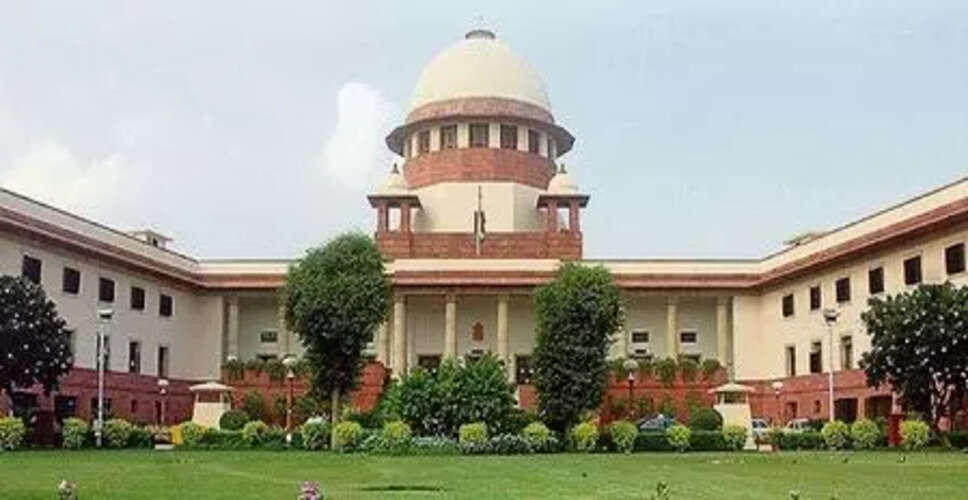

Supreme Court's Directive to Assam Authorities
A file image of the Supreme Court (Photo: @IANS)
New Delhi, Sept 8: The Supreme Court has instructed the authorities in Assam to accelerate the establishment of two dedicated courts specifically for cases handled by the National Investigation Agency (NIA), mandating that they become operational within the next four weeks.
This directive was issued as the Supreme Court urged the central and state governments, along with Union Territories, to enhance the judicial infrastructure tailored for the swift resolution of serious offenses, particularly those related to the Narcotic Drugs and Psychotropic Substances (NDPS) Act.
A three-judge panel led by Chief Justice Surya Kant, during a suo motu hearing regarding the formation of special courts, highlighted a concerning rise in NDPS cases and stressed the urgency of establishing the necessary courts promptly.
During the proceedings, the State's counsel informed the apex court that Assam currently has one operational NIA court.
The bench noted that while its previous directives regarding the establishment of dedicated NIA trial courts had been “largely fulfilled,” there are still deficiencies in several states, which led to the issuance of additional instructions, including the four-week timeline for Assam to activate its two proposed NIA courts.
Additional Solicitor General Aishwarya Bhati reported to the bench, which also included Justices Joymalya Bagchi and V Mohana, that a total of 449 special courts are needed across the nation to effectively manage NDPS cases, with 176 already in operation.
The court has mandated that the relevant authorities take the necessary actions and ensure the required infrastructure for the remaining courts is in place, ideally within six weeks.
Regarding NIA cases, it was noted that eight new exclusive courts have been set up nationwide, bringing the total to 22.
The suo motu proceedings were initiated due to concerns about NIA trials being delayed for extended periods. The Supreme Court has underscored the importance of resolving such cases swiftly to protect the rights of both the accused and the victims.