
Supreme Court Upholds Film Release Rights Amid Controversy in Karnataka
Supreme Court's Stance on Film Release
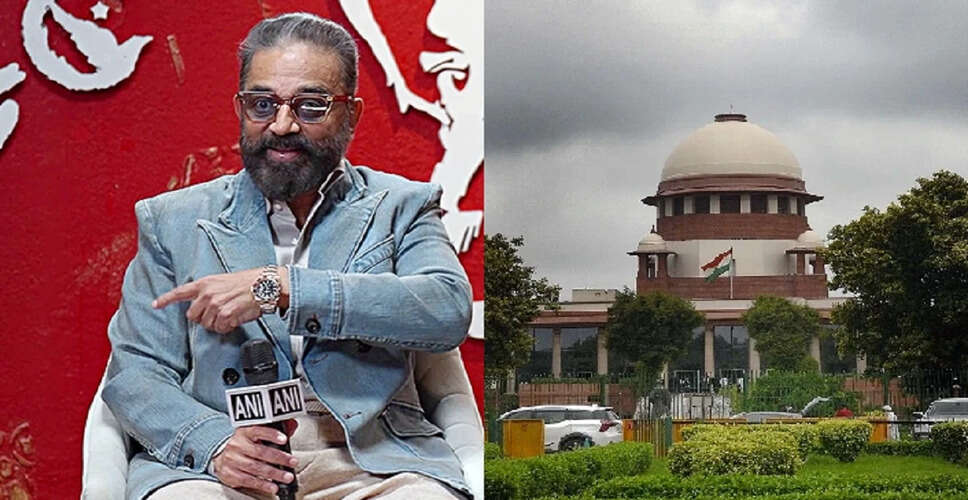
The Supreme Court has asserted that public gatherings cannot obstruct the release of films, specifically ruling that 'Thug Life' should be allowed to premiere in Karnataka. The court emphasized that once the Central Board of Film Certification (CBFC) grants approval, the film must be released across all states. It stated that threats to intimidate audiences or set theaters ablaze cannot be tolerated.
Furthermore, the Supreme Court criticized the Karnataka High Court for suggesting that actor Kamal Haasan should apologize regarding his comments. The court granted the state government one day to respond about the film's release, reinforcing the need for the rule of law.
The court remarked that while individuals may debate Haasan's statements, it should not hinder the film's theatrical release. It transferred the petition filed by the film's producers from the Karnataka High Court and questioned the latter's role, particularly regarding the suggestion for an apology from the actor. The court highlighted that once a film receives CBFC approval, it should be allowed to be screened.
Court's Emphasis on Freedom of Expression
The court noted that individuals have the choice to not watch the film, but it cannot permit threats and intimidation to dictate whether a film is released. It referenced previous rulings, including the Bombay High Court's decision in the MI Nathuram Bholatoy play case and the Imran Pratapgarhi case, to support its argument that a democracy must allow diverse opinions.