
Supreme Court to Review Electoral Roll Deletions in West Bengal
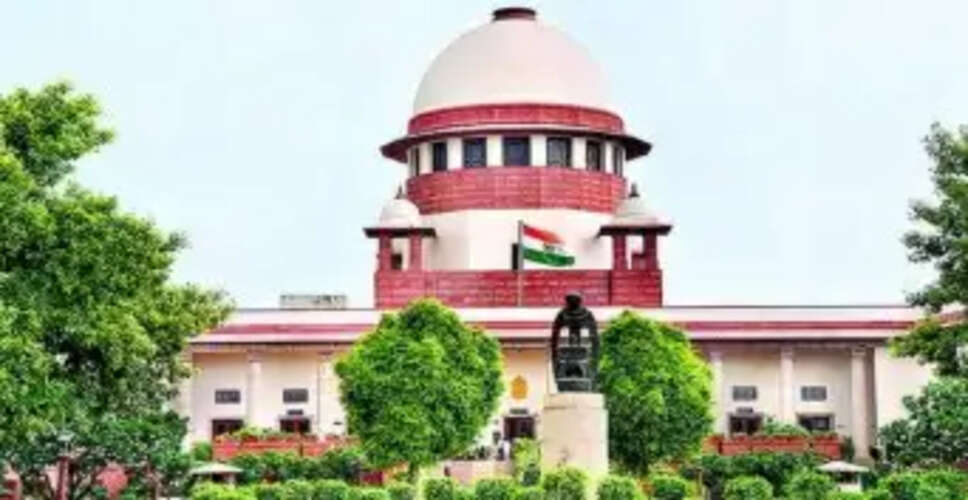
Supreme Court Takes Up Electoral Roll Concerns
New Delhi: The Supreme Court has agreed to hear a new petition on Tuesday regarding individuals whose names have been removed from the electoral rolls by the Election Commission during the ongoing Special Intensive Revision (SIR) in West Bengal.
A bench led by Chief Justice Surya Kant and Justice Joymalya Bagchi acknowledged the arguments presented by senior advocate Maneka Guruswamy, who stated that the petition concerns the removal of former voters from the rolls.
Guruswamy emphasized, "These individuals are electors who have previously cast their votes, yet their documentation has not been processed."
In response, the Chief Justice remarked, "However, we cannot review the decisions made by judicial officers in this context."
When Guruswamy asserted that the appeals are valid, the bench confirmed it would hear the matter on Tuesday.
On February 24, the Supreme Court permitted the deployment of civil judges from West Bengal, alongside 250 district judges, and the requisitioning of judicial officers from Jharkhand and Odisha to manage the 8 million claims and objections related to deletions from the electoral roll during the SIR process in the state.
The court also noted a letter from Calcutta High Court Chief Justice Sujoy Paul dated February 22, indicating that even with 250 district judges assigned to the SIR, it would take approximately 80 days to address the claims and objections of those categorized under logical discrepancies and unmapped categories.
Logical discrepancies linked to the 2002 voter list include mismatches in parental names and age differences between voters and their parents exceeding 15 years or being less than 50 years.
While issuing new directives, Chief Justice Kant acknowledged that if each judicial officer processes 250 claims and objections daily, the entire exercise would still require around 80 days to complete. The deadline for the West Bengal SIR is set for February 28.
On February 9, the Supreme Court made it clear that it would not permit any obstacles to the completion of the SIR and instructed the West Bengal DGP to submit an affidavit regarding allegations of some individuals burning notices from the Election Commission.