
Supreme Court to Hear Meghalaya Government's Plea Against Bail Granted to Sonam Raghuvanshi
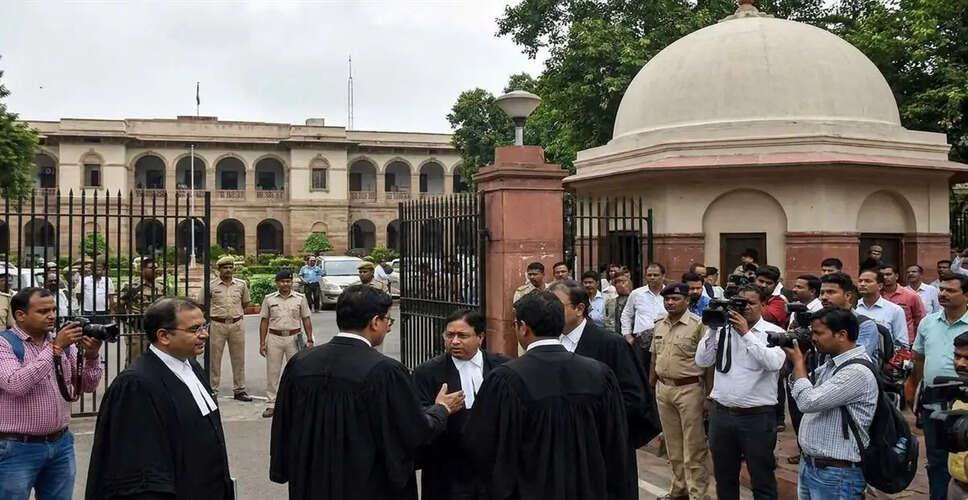

Supreme Court Schedules Hearing on Sonam Raghuvanshi's Bail Case
The Supreme Court announced on Tuesday that it will review the Meghalaya government's petition challenging the bail granted to Sonam Raghuvanshi, who is accused of murdering her husband, Raja Raghuvanshi, during their honeymoon in 2025. The hearing is set for July 21.
Sonam, a resident of Indore in Madhya Pradesh, was arrested last June in connection with the murder of her businessman husband. The case began when the couple went missing from the Sohra area of Meghalaya on May 23 last year, with Raja's body discovered in a deep gorge on June 2, 2025. Authorities allege that Sonam conspired with hired assassins to kill her husband for financial gain.
The Meghalaya government's petition was presented before a bench comprising Justice M M Sundresh and Justice P B Varale. During the proceedings, Solicitor General Tushar Mehta, representing Meghalaya, requested that the case be heard at 2 PM. However, at the request of the defense attorney, the bench rescheduled the hearing for July 21.
In a previous hearing on July 9, the Supreme Court indicated that it might refer the legal question regarding whether a typographical error in the arrest warrant could invalidate the arrest and serve as a basis for granting bail to a larger bench. The court aims to closely examine whether the High Court's decision to grant bail based on a typographical error was justified.
Previously, the Meghalaya High Court upheld the subordinate court's order granting bail to the accused, stating that the police failed to provide adequate written grounds for the arrest, indicating a complete lack of judicial discretion. The arrest warrant mistakenly cited Section 403 instead of Section 103(1) of the Indian Penal Code, which pertains to punishment for murder. The Solicitor General argued that this error was purely clerical and should not serve as a basis for bail in such a sensational case.