
Supreme Court to Address Controversial NCERT Textbook Statements on Judiciary
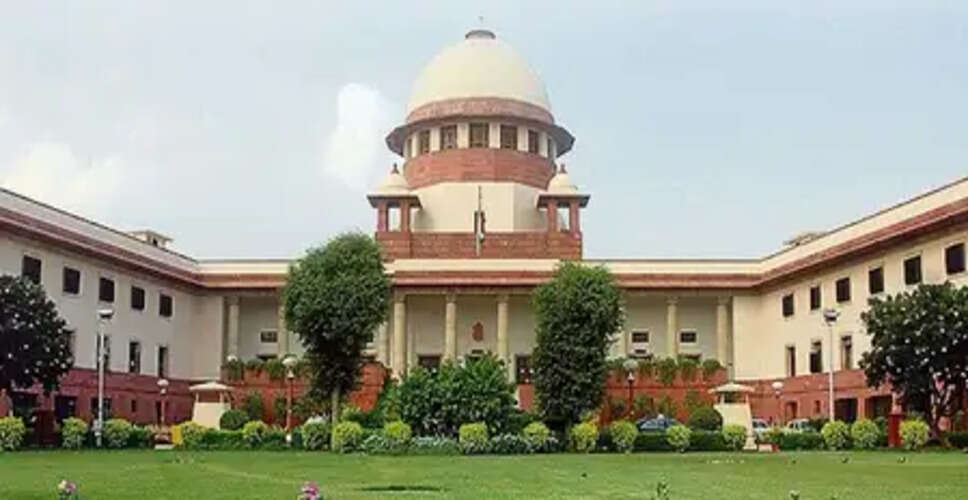
Supreme Court Takes Up NCERT Textbook Controversy
New Delhi: The Supreme Court is set to review a suo motu case regarding controversial remarks about the judiciary found in NCERT textbooks this Thursday.
A panel consisting of Chief Justice Surya Kant, along with Justices Joymalya Bagchi and Vipul M Pancholi, will deliberate on the case titled 'In Re Social Science Textbook For Grade-8 (part-2) Published by NCERT and Ancillary Issues'.
This matter has gained importance following the Chief Justice's strong disapproval of a chapter discussing judicial corruption in the Class 8 curriculum, asserting that no one should be permitted to tarnish the judiciary's reputation.
In response to the Supreme Court's criticism, NCERT has removed the Class 8 textbook from its online platform, with reports indicating that the government is displeased with the controversial subject matter included in the text.
Earlier in the day, the Supreme Court acknowledged the objectionable content in NCERT textbooks after senior advocates Kapil Sibal and Abhishek Singhvi brought the issue forward for urgent review.
The NCERT's social science textbooks for Class 8 highlight issues such as corruption, a significant backlog of cases, and an insufficient number of judges as challenges confronting the judicial system.
One section addressing corruption within the judiciary notes that judges must adhere to a code of conduct that regulates their behavior both in and out of the courtroom.