
Supreme Court Takes Action Against Dehumanizing Police Social Media Posts
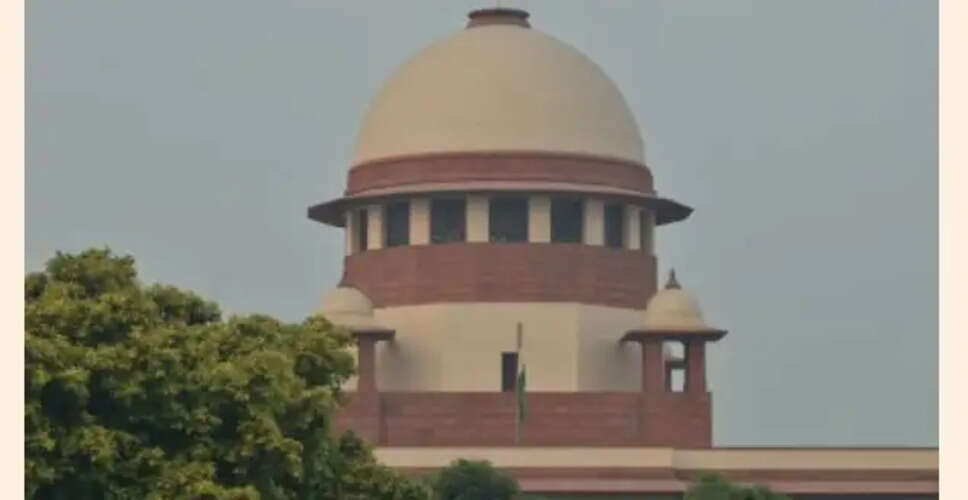

Supreme Court Seeks Responses on Police Social Media Conduct
New Delhi: On Tuesday, the Supreme Court requested feedback from the Central Government, all states, Union Territories, and social media giants Meta and X regarding a Public Interest Litigation (PIL) aimed at curbing police departments from sharing content that reveals the identities of accused individuals or portrays them in a degrading manner.
A bench led by Chief Justice Surya Kant, along with Justices Joymalya Bagchi and V Mohana, acknowledged the arguments presented by senior advocate Gopal Sankaranarayanan, who represented the PIL petitioner, Hemendra Patel, and subsequently issued notices to the relevant parties.
The petition, submitted through advocate Shrutanjaya Bhardwaj, called for immediate removal of posts from police social media accounts that disclose the identities or images of accused individuals in a dehumanizing context.
The plea emphasized the need for the Respondent-States to establish guidelines that govern the use of social media by police organizations, specifically to prevent the sharing of content that reveals the identities of accused persons or depicts them in a degrading manner.
It highlighted instances where accused individuals were shown in handcuffs, restrained, beaten, or subjected to humiliating treatment.
Additionally, the PIL urged the states to create regulations for police social media usage to avoid future occurrences of such content.
The petition also called upon Meta Platforms Inc and X Corp to develop policies and user guidelines for their platforms, including Facebook and Instagram, to ensure that content revealing the identities of accused individuals or depicting them inhumanely is not allowed.
The plea requested that social media companies implement a clear and structured process for the swift removal of such content upon user reports.
The Union Ministry of Electronics and Information Technology, along with Meta Platforms Inc and X Corp, have been named as respondents in this case.