
Supreme Court Seeks Response from UP Government on Changes at Banke Bihari Temple
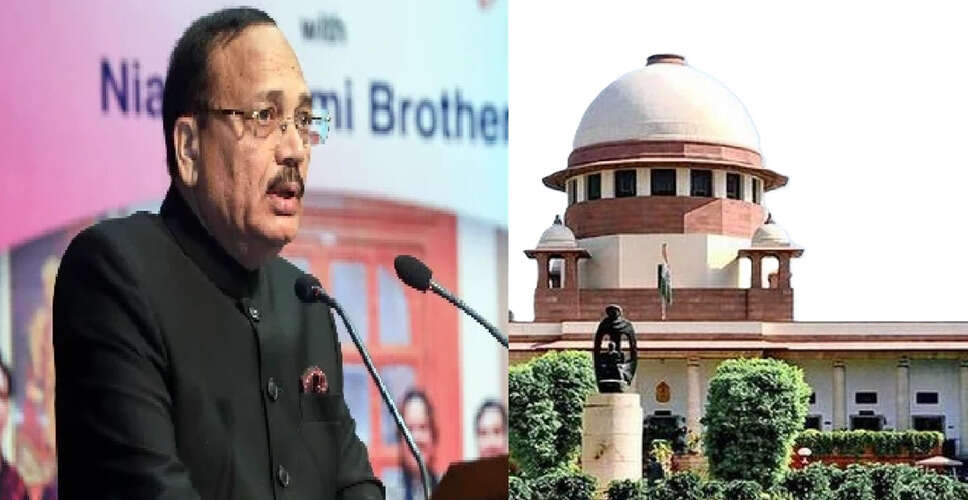
Supreme Court's Inquiry into Temple Management Decisions
The Supreme Court has requested the Uttar Pradesh government and a high-powered committee appointed by the court to respond to a petition challenging changes in visiting hours and the cessation of the threshold worship at the renowned Banke Bihari Ji Maharaj Temple in Mathura. The bench, comprising Chief Justice Surya Kant, Justice Joymalya Bagchi, and Justice Vipul Pancholi, issued notices to the respondents, requiring them to submit their replies by January 7, 2026. This petition was filed by the temple management committee through Gopesh Goswami and Rajat Goswami.
Details of the Petition
The petition contests the decisions made by the committee regarding alterations in the temple's visiting hours and the discontinuation of the traditional threshold worship. The petitioners argue that these changes violate a prior Supreme Court order from August 8, which explicitly stated that the committee should not interfere with the temple's internal religious practices, including worship, service, and offerings.
Understanding Threshold Worship
According to the petition, threshold worship is a sacred ritual performed when the temple is closed to the public. This worship occurs during specific times: from 6:00 AM to 8:00 AM, 1:00 PM to 3:00 PM, and 9:00 PM to 10:00 PM. Devotees believe that the threshold symbolizes the deity's feet, and during this time, offerings such as fragrances, flowers, and prayers are presented. The petition claims that halting this ritual is arbitrary and unjust, infringing upon the religious rights of the Goswami community as protected under Articles 25 and 26 of the Constitution.
Concerns Regarding Temple Hours
Senior advocate Shyam Diwan, representing the temple committee, informed the court that the HPC has altered the temple's opening hours, which have been in place for centuries. He noted that the new schedule disrupts the deity's resting and sleeping times, traditionally considered part of religious rituals. These changes have also affected significant internal rituals, including the deity's waking and sleeping times. The Chief Justice remarked sternly that the deity is not allowed even a minute of rest, indicating that this is when the deity is most exploited. He pointed out that only those who can afford to pay substantial amounts are granted special worship privileges.