
Supreme Court Seeks Government Response on Child Protection in Social Media

Supreme Court's Notice to the Centre
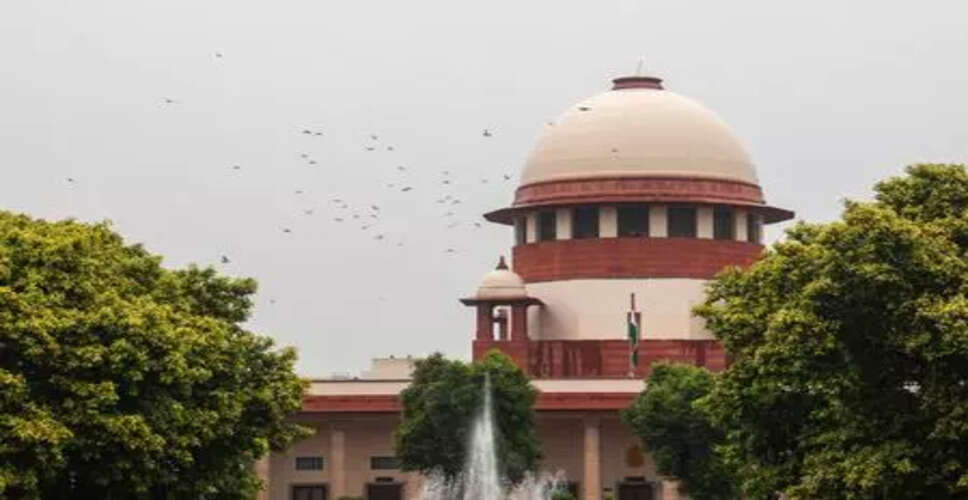
A file image of the Supreme Court (Photo: IANS)
New Delhi, Oct 16: On Friday, the Supreme Court issued a notice to the central government regarding a petition that calls for a robust and enforceable regulatory framework aimed at safeguarding children from the dangers associated with social media platforms. This includes implementing age-based access restrictions and protective measures against online exploitation.
A bench led by Chief Justice Surya Kant and Justice Joymalya Bagchi acknowledged the petition filed by The Emerald Heights International School and its Director (Academics), Siddharth Singh Girnar, and has linked it to a similar ongoing case.
The court has scheduled the next hearing for December 3. The petition, directed against the Union of India, the Ministry of Women and Child Development, the Ministry of Law and Justice, and the National Commission for Protection of Child Rights, highlights the unrestricted access children have to commercial social media platforms and the inadequacy of current legal protections.
The petition argues that social media platforms typically set a self-declared minimum age of 13, which does not align with the protections offered to minors under Indian law.
It references the Digital Personal Data Protection Act, 2023, which defines anyone under 18 as a child and mandates enhanced protections, including verifiable parental consent and limitations on tracking, behavioral monitoring, and targeted advertising.
According to the petition, the existing framework is fragmented and poorly implemented, lacking a cohesive and enforceable child safety system for age verification, prevention of underage access, parental involvement, and accountability from platforms.
The petitioners assert that children face increasing risks of cyberbullying, harassment, exposure to harmful content, and unwanted interactions with strangers on social media.
They also express concerns about issues such as sleep deprivation, reduced concentration, anxiety, low self-esteem, and declining academic performance linked to excessive social media use.
Furthermore, parents have voiced worries about their children's excessive phone usage, late-night online activities, and the potential for bullying, grooming, and exploitation, often finding it challenging to monitor or limit access to these platforms.
The petition requests that the government and relevant authorities develop and implement a dedicated regulatory framework that ensures reliable, proportionate, and privacy-respecting age verification, age-appropriate access, restrictions on harmful content, and mandatory privacy settings for children's accounts.
Additionally, it seeks protections against grooming, sexual solicitation, cyberbullying, harassment, and the sharing of intimate or private images, including effective reporting systems, swift removal of harmful content, and evidence preservation in accordance with the law.
Alternatively, the petitioners have requested that the court impose restrictions on children's ability to create and use social media accounts if other protective measures are deemed insufficient.