
Supreme Court Rules on Grandson's Inheritance Rights Under Hindu Succession Law
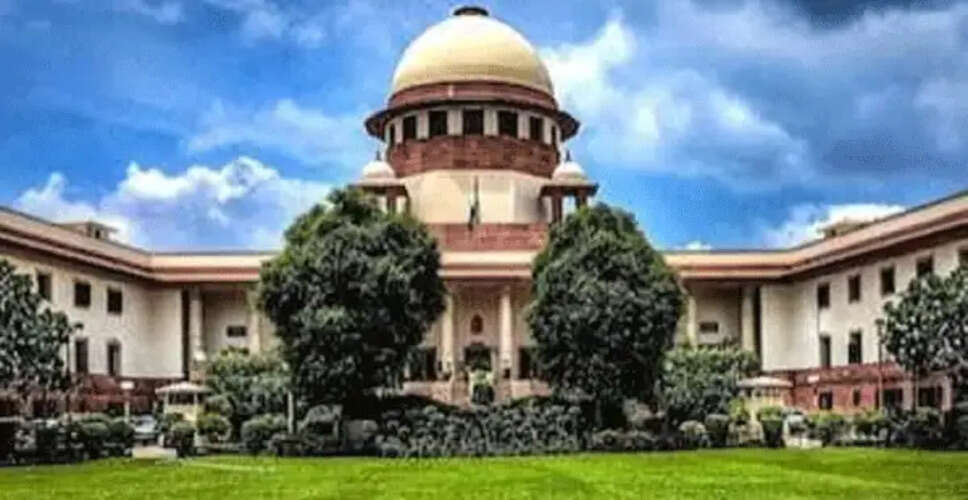

Significant Supreme Court Ruling on Inheritance
In a landmark decision, the Supreme Court has addressed a crucial aspect of the Hindu Succession Act. The bench, comprising Justices Augustine George Masih and Sunita Agarwal, clarified that if a grandfather's property has been divided among his legal heirs under Section 8 of the Hindu Succession Act of 1956, a grandson cannot claim an independent share solely based on his birth.
This ruling stems from a property dispute in Chennai that has persisted for nearly three decades. The court dismissed the claim of a minor grandson, noting that the property was divided in 1994 following an agreement after the grandfather's death, which included a share for the grandson's father. Subsequently, the father sold his portion. The grandson, through his mother, filed a lawsuit asserting that he was entitled to a coparcenary right from birth.
The Supreme Court stated that under Section 8, property is allocated to Class-1 heirs, which include sons, daughters, wives, and mothers. A grandson, being the son of a living son, does not fall within this category. The father's share becomes his personal property and is no longer considered part of the joint family estate. Therefore, the grandson cannot assert a birthright claim.
Referencing a previous ruling from 1986, the court upheld the decisions made by lower courts. This judgment holds significant implications for many families where disputes arise over the inheritance of ancestral property by grandchildren.