
Supreme Court Rules Bar Council Lacks Authority Over Law Students' Conduct
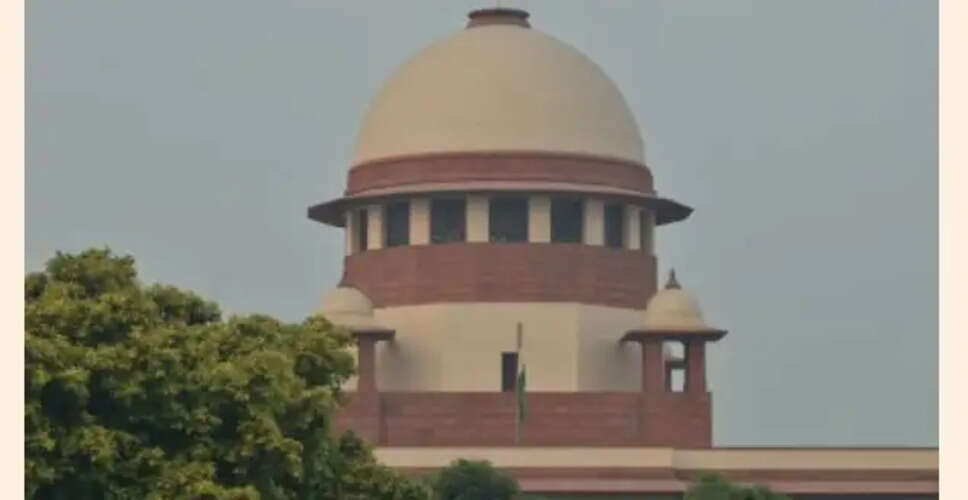

Supreme Court's Landmark Decision
New Delhi: On Thursday, the Supreme Court ruled that the Bar Council of India (BCI) does not possess the legal authority to oversee the behavior of law students, emphasizing that it is the responsibility of educational institutions to manage student conduct according to their own regulations.
This ruling came from a bench led by Chief Justice Surya Kant, alongside Justices Joymalya Bagchi and V Mohana, while addressing the dispute surrounding the BCI's actions against students from NALSAR University of Law in Hyderabad. The students had raised objections regarding the Chief Justice's intended participation in their convocation ceremony.
The court annulled two notifications issued by the BCI related to the NALSAR incident, which had been retracted shortly after their release due to public backlash.
The bench clarified that the BCI cannot impose regulatory authority over students until they officially become advocates and fall under the legal profession's statutory framework.
It stated that any disciplinary measures against students should be determined by the respective educational institution based on its internal rules.
The controversy began on August 14 when the BCI instructed state bar councils to refrain from enrolling NALSAR's 2026 graduates as advocates, citing allegations linked to a protest against Chief Justice Kant's planned visit to the university.
During the Supreme Court proceedings, the Chief Justice expressed strong disapproval of the BCI's involvement, questioning their right to interfere in what he described as a dialogue between himself and the students.