
Supreme Court Rules Against Indefinite Occupation of Protest Sites
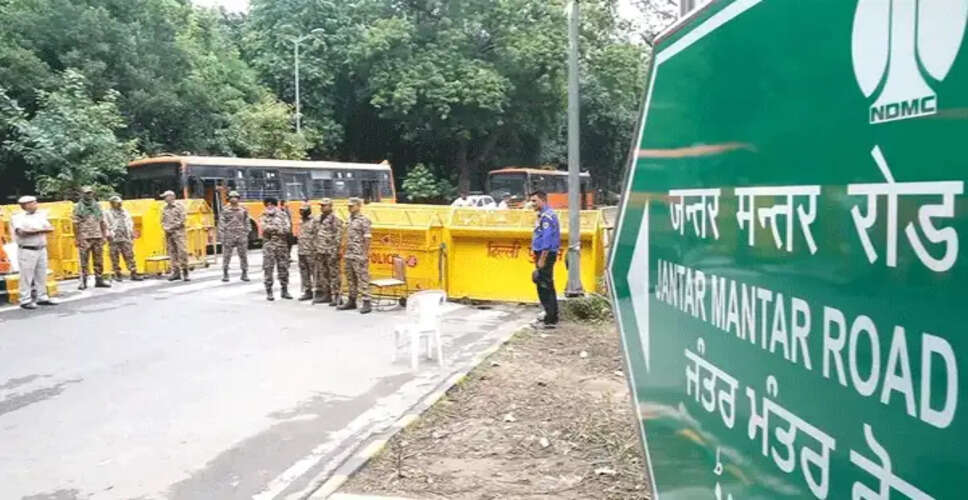

Supreme Court's Stance on Protest Rights
New Delhi - The Supreme Court of India has made a significant ruling during a recent hearing, stating that no individual, group, or organization can claim indefinite occupation of a designated protest site. The court emphasized that all citizens have an equal constitutional right to utilize public spaces to voice their concerns and demands.
The bench, comprising Chief Justice Suryakant, Justice Joymalya Bagchi, and Justice V. Mohan, remarked that permission to protest at a location should not be interpreted as a license for permanent occupation. They stressed that public spaces should only be used for a limited duration, allowing farmers, traders, and other citizens to exercise their rights.
This case arose from multiple petitions related to police actions following protests led by the Cockroach Janata Party. The petitions raised issues such as mass detentions, excessive police force, internet service suspensions, and the closure of metro stations. Senior advocate Mukul Rohatgi, representing business organizations, argued that prolonged protests have adversely affected the livelihoods of small traders and the capital's economy. He urged the court to implement concrete measures to maintain public order while considering the right to conduct business and protect daily wage earners.
The court, while balancing the situation, acknowledged that the right to protest and the right to earn a livelihood are both constitutionally recognized competing claims. The bench stated that a solution should be found that allows peaceful demonstrations without impacting the livelihoods of others.
During the proceedings, Solicitor General Tushar Mehta informed that only a one-day protest was authorized, yet the demonstrators maintained their presence for an extended period and called for further marches without permission. The Supreme Court has directed the petitioners to include affected parties in the case and provide details of financial losses, planning for further detailed hearings.