
Supreme Court Reviews Aravalli Hills Definition Amid Environmental Concerns
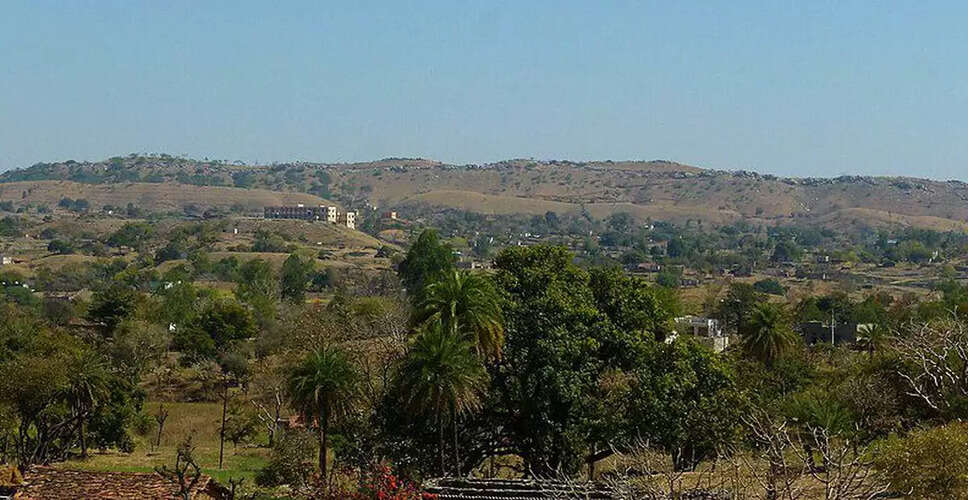
Supreme Court's Decision on Aravalli Hills
On Monday, the Supreme Court decided to suspend its previous order from November that had approved a new definition for the Aravalli Hills, according to reports.
A vacation bench, comprising Chief Justice Surya Kant along with Justices JK Maheshwari and AG Masih, instructed the formation of a new committee tasked with surveying and studying the hills. They emphasized the need for clarifications regarding the definition that had been previously accepted.
The next hearing is scheduled for January 21.
The court had taken suo motu cognizance of the issue due to worries that the revised definition might facilitate unregulated mining and cause significant environmental harm.
The Aravalli mountain range, which spans approximately 700 kilometers from southwest Gujarat through Rajasthan to Delhi and Haryana, features its highest peak, Guru Shikhar, at an elevation of 1,722 meters.
According to the government’s new definition, an Aravalli hill is defined as any landform that rises at least 100 meters above the surrounding area. An Aravalli range consists of two or more such hills located within 500 meters of each other, including the land in between.
Environmental advocates have raised alarms that this height-based definition could leave many lower, ecologically significant hills vulnerable to mining and development. Experts argue that these smaller hills play a vital role in preventing desertification, recharging groundwater, and supporting local communities.
In response to the backlash, the Union environment ministry issued a directive to states prohibiting the granting of new mining leases in the Aravalli Hills. This ban aims to maintain the landscape's integrity and applies to the entire range.
The Congress party criticized the government's actions as a “bogus attempt at damage control that will not deceive anyone.” Party leader Jairam Ramesh expressed concerns over the unchanged “dangerous 100m+ redefinition” on social media.
On December 22, the Union government denied that the new definition undermines environmental protections, asserting that over 90% of the Aravalli region remains safeguarded.
On Wednesday, the Congress questioned the Union government’s rationale for advancing a flawed redefinition of the Aravallis, despite opposition from key expert bodies and advisors to the Supreme Court.
Ramesh shared a report from The Indian Express, highlighting that the Supreme Court's acceptance of the government's new definition contradicts the recommendations of its own Central Empowered Committee.