
Supreme Court Raises Concerns Over AI-Generated Case Law in Judicial Proceedings
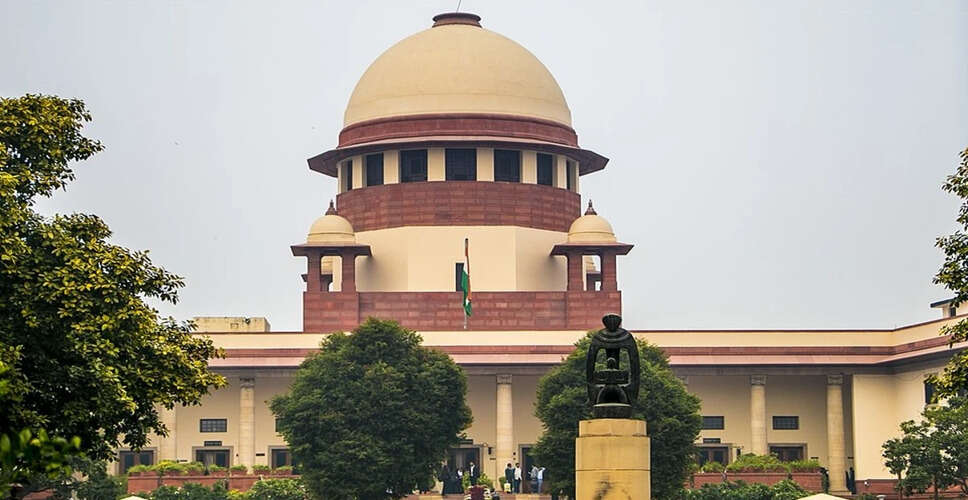
Supreme Court's Strong Objection to AI-Generated Legal References
The Supreme Court has expressed serious concerns regarding a trial court's ruling that referenced case law allegedly created with the assistance of artificial intelligence, which does not exist in official records. The court criticized this practice as contrary to judicial conduct.
This issue emerged when the precedents cited in the ruling could not be found in any official legal databases or records. Initial investigations suggested that these purported decisions were generated by AI tools and mistakenly treated as legitimate judicial precedents.
The Supreme Court emphasized that citing non-existent rulings undermines the credibility of the judicial process and damages public trust. The bench clarified that it is the responsibility of every judge to independently verify the legal authorities cited before issuing any orders.
Furthermore, the court highlighted that technology, particularly AI-based research tools, can be beneficial for legal research. However, treating them as definitive sources and incorporating them into orders without verification constitutes a serious professional lapse. It is noted that the use of digital tools in the judicial and legal sectors has surged in recent years, but their application must be accompanied by caution and responsibility.
In light of the seriousness of the matter, the Supreme Court has directed consideration for appropriate action. It reiterated that judicial discipline, reliance on authentic sources, and factual accuracy are the cornerstones of the justice system. The court's message is clear: the fundamental verification process cannot be compromised in the name of technological convenience, and maintaining transparency in justice is of utmost priority.