
Supreme Court Questions Centre on Ex-Servicemen Status for Disabled Military Cadets
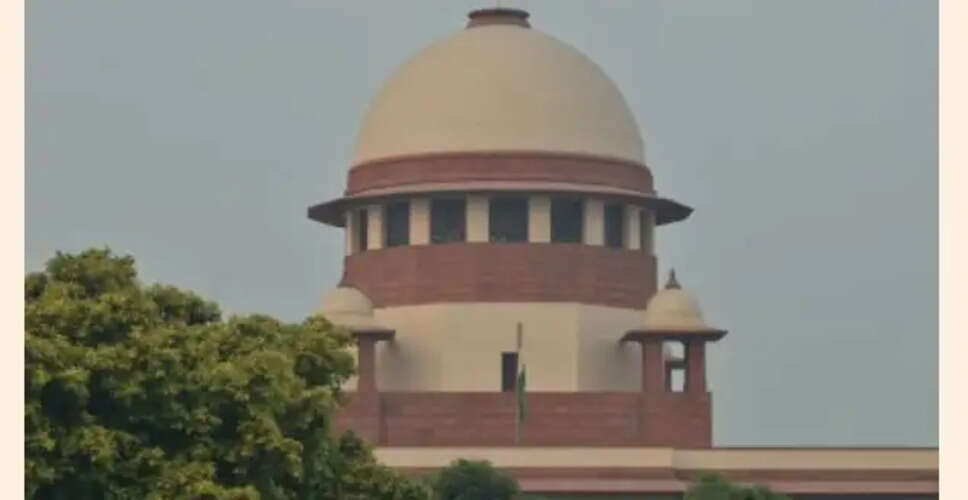
Supreme Court's Inquiry into Cadet Welfare
New Delhi: The Supreme Court has posed a question to the Central Government regarding whether military cadets who become unfit due to injuries sustained during their training can be recognized as ex-servicemen. This status would allow them to access reservation benefits in government and semi-government employment.
A bench comprising Justices B V Nagarathna and Ujjal Bhuyan noted that many of these cadets are under 30 years old and are in need of job opportunities.
During the proceedings, the bench discussed the possibility of classifying boarded-out cadets as ex-military personnel to ensure they receive reservation benefits in various government roles.
The Additional Solicitor General, N Venkataraman, representing the Union of India, stated that a detailed response would be provided regarding this matter.
The Supreme Court is currently addressing a suo motu case concerning the challenges faced by cadets who have been discharged due to injuries or disabilities incurred during their training.
On August 18 of the previous year, the apex court expressed its desire for the defense forces to support 'braveheart cadets' who should not be discouraged by injuries sustained during training. It directed the Centre to consider providing insurance coverage for such situations.
The court requested feedback from the Centre and the defense forces regarding the hardships faced by cadets medically discharged from military training due to disabilities.
It urged the Centre to investigate the feasibility of offering group insurance to cadets undergoing demanding training to address potential issues of death or disability.
Additionally, the court called for an increase in the current lump sum compensation of Rs 40,000 for cadets injured during training to better meet their medical expenses.
The court was informed that a proposal to grant these cadets access to the Ex-Servicemen Contributory Health Scheme (ECHS) had been approved by the defense ministry but had yet to be enacted.
Furthermore, the Supreme Court encouraged the Centre to consider a rehabilitation program for disabled candidates, facilitating their transition into desk jobs or other defense-related roles after their recovery.
On August 12 of the previous year, the Supreme Court took notice of a media report highlighting the plight of these cadets, who were once part of prestigious military training institutions like the National Defence Academy (NDA) and the Indian Military Academy (IMA).
Reports indicate that approximately 500 officer cadets have been medically discharged from these institutions since 1985 due to various disabilities incurred during training, leaving them with escalating medical expenses and insufficient monthly ex-gratia payments.