
Supreme Court Orders Release of Students Detained During NEET Protests
The Supreme Court has ordered the immediate release of students detained during protests against alleged NEET paper leaks, provided they have no prior criminal records. The court expressed serious concerns over potential violations of fundamental rights and excessive police force used during the protests. Allegations include the use of pellet guns and other forms of violence against demonstrators. Notices have been issued to seven state governments for their responses regarding the incidents. Additionally, the court has directed the preservation of CCTV footage to ensure crucial evidence is maintained for further investigation.
| Jul 28, 2026, 13:33 IST
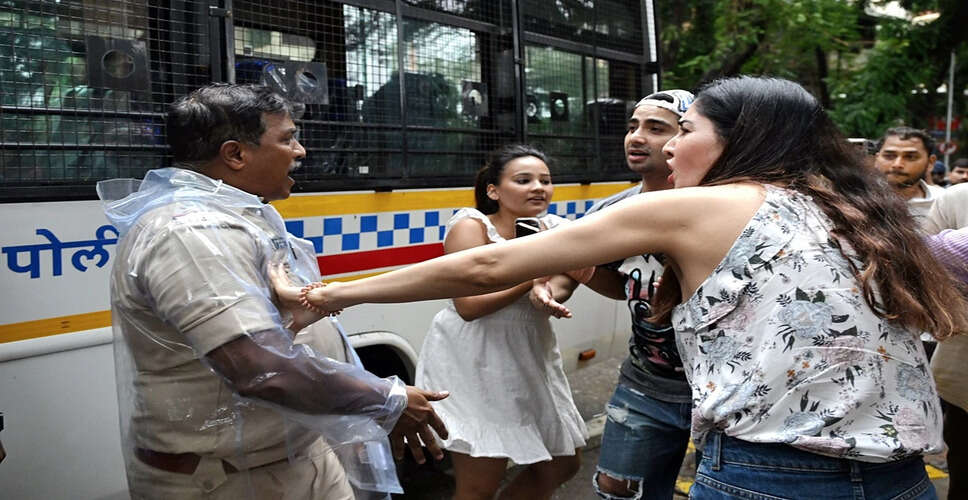

Supreme Court's Directive on NEET Protests
The Supreme Court issued a directive on Tuesday mandating the immediate release of all students detained or arrested during nationwide protests led by the 'Cockroach People's Party' (CJP) concerning allegations of NEET paper leaks, provided they do not have any prior criminal records. The apex court also clarified that no punitive actions should be taken against individuals who were accused solely in connection with the protests and had no existing criminal cases against them.
Concerns Over Violations of Fundamental Rights
While hearing multiple petitions related to the violence during the NEET protests, the Supreme Court expressed serious concerns regarding potential violations of fundamental rights under Articles 19 and 21 of the Constitution. The court noted allegations of excessive force used by law enforcement agencies during these protests, which began at Delhi's Jantar Mantar and spread to states like Madhya Pradesh and Bihar.
Allegations of Excessive Force
Claims of Pellet Gun Usage
Petitioners informed the court that students gathered for a peaceful protest against the alleged NEET paper leak faced excessive force from police. The petitions detailed instances of force that included baton charges, the use of pellet guns, and tear gas. Several incidents from the National Capital Territory (NCT) were cited, where police allegedly employed excessive force against demonstrators.
Serious Allegations Presented to the Court
Documented Incidents of Violence
The Supreme Court acknowledged the numerous incidents of force documented in the petitions. The allegations presented included:
Reports of pellet guns being used, resulting in injuries to several young students, with one case leading to the loss of vision in one eye.
Claims that rubber bullets injured multiple protesters.
Reports of electric batons being used to disperse crowds.
Allegations of spiked batons causing permanent disabilities and life-threatening injuries in some cases.
During the coverage of the protests, a media personnel was reportedly attacked and sustained serious injuries.
It is important to note that the court has not drawn any conclusions regarding the veracity of these allegations; these matters remain under judicial consideration.
Notices Issued to Seven States
Responses Required from State Governments
The Supreme Court has issued notices to the governments of Delhi, Bihar, Maharashtra, Assam, West Bengal, Uttar Pradesh, and Kerala, seeking responses regarding the alleged violence during the NEET protests. The states have been instructed to address the allegations made in the petitions.
Preservation of Evidence Ordered
Directive to Secure CCTV Footage
To ensure that crucial evidence is not lost, the Supreme Court has directed authorities to preserve all CCTV footage related to the incidents of violence during the NEET protests. This directive is expected to play a significant role in the court's examination of the petitioners' claims and the responses from the respective state governments.