
Supreme Court Orders CBI Investigation into Arunachal Pradesh CM's Family Corruption Allegations
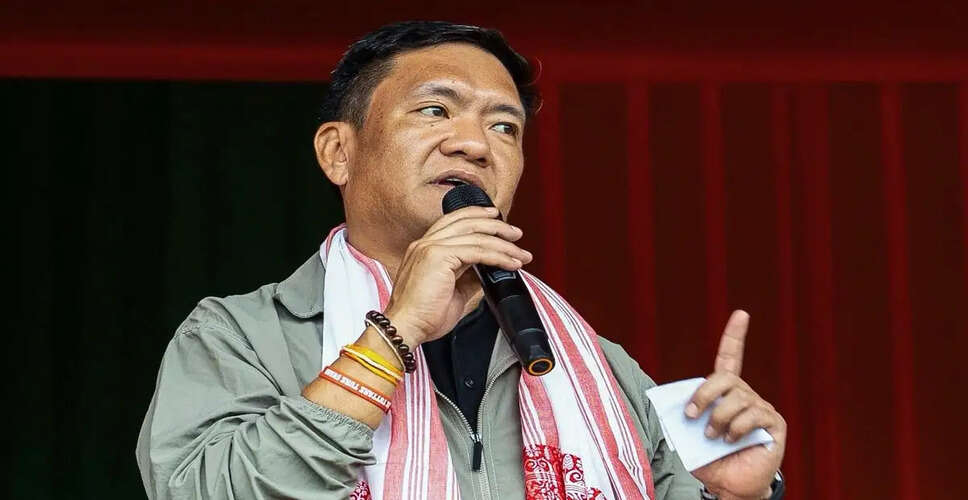

Supreme Court Directs CBI to Investigate Corruption Claims
In a landmark ruling, the Supreme Court has mandated the Central Bureau of Investigation (CBI) to probe corruption allegations against Pema Khandu, the Chief Minister of Arunachal Pradesh. The case revolves around alleged favoritism in government contracts and the misuse of public funds amounting to millions.
The Supreme Court instructed the CBI to initiate a preliminary investigation into claims that government contracts in Arunachal Pradesh were awarded to firms linked to Khandu's family members.
Court's Directive on Public Works Contracts
Acting on a public interest petition filed by the 'Save Mon Region Federation', the court has directed the CBI to examine contracts awarded for public construction projects from November 2015 to 2025.
The investigation will focus particularly on contracts allegedly linked to named respondents in the petition, including firms associated with the Chief Minister's relatives—his wife, mother, and nephew.
Scope of the Investigation
A bench comprising Justices Vikram Nath, Sandeep Mehta, and NV Anjaria stated that the CBI will scrutinize the awarding of tenders, completion of projects, and payment transactions. The court clarified that the agency is not restricted to a specific timeframe and may investigate transactions that occurred outside the designated period if necessary.