
Supreme Court Orders Action on Stray Animal Accidents: What You Need to Know
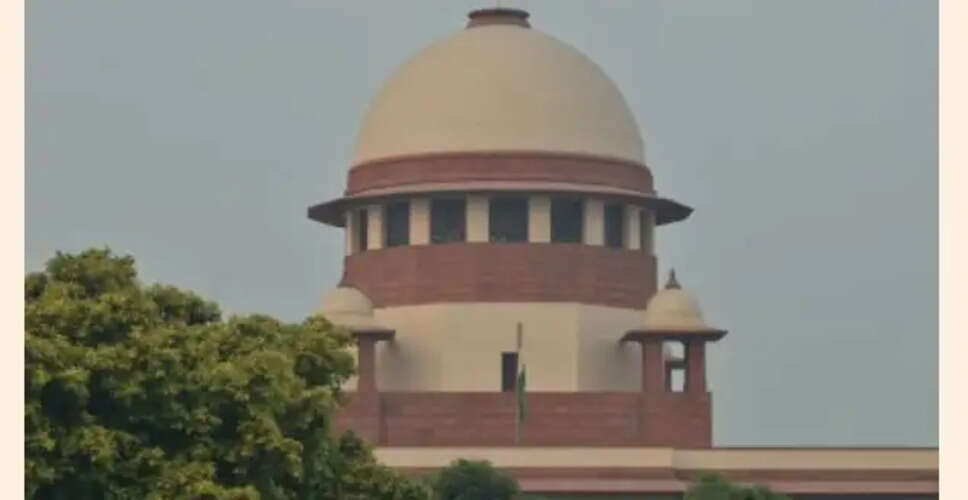

Supreme Court Takes a Stand on Stray Animal Incidents
New Delhi: The Supreme Court has taken significant steps to address the issue of accidents caused by stray animals on roads. On Friday, the court instructed both the central and state governments to establish a compensation framework for victims of such incidents.
A bench comprising Justices Sanjay Karol and N Kotiswar Singh issued multiple directives, emphasizing that animal owners must be held accountable and ensure their animals return to designated areas by the end of each day.
The bench stated, "States that have their own cattle laws must ensure these are fully implemented. Amendments or new rules should be introduced as necessary to create a compensation mechanism for accidents involving bovines, whether involving pedestrians or vehicles."
Additionally, the court mandated the tagging of all animals to facilitate tracking, which would also support their health management, including veterinary check-ups and vaccinations.
The bench highlighted the troubling reality of animals being abandoned once they no longer serve a productive purpose. Owners making such decisions must ensure these animals are safely transferred to appropriate shelters.
Authorities at these shelters are required to provide a receipt for the transfer and update the animal's information in the tagging database.
To ensure effective tagging, record digitization, and shelter operations, the court suggested appointing a dedicated officer in each department to oversee these efforts.
This ruling arose from an appeal by a woman contesting a Punjab and Haryana High Court decision that overturned a compensation award of Rs 29.32 lakh. Her husband had tragically died after being struck by a stray bull while walking.
Following his death, she sought compensation from the high court, which initially granted it based on the Motor Vehicles Act, 1988, considering the deceased's income, age, and other relevant factors. However, the division bench later annulled this decision, citing that disputed factual matters could not be resolved under Article 226 jurisdiction.