
Supreme Court Mediation Efforts in Gyanvapi Mosque Dispute Fail as Both Sides Reject Proposal
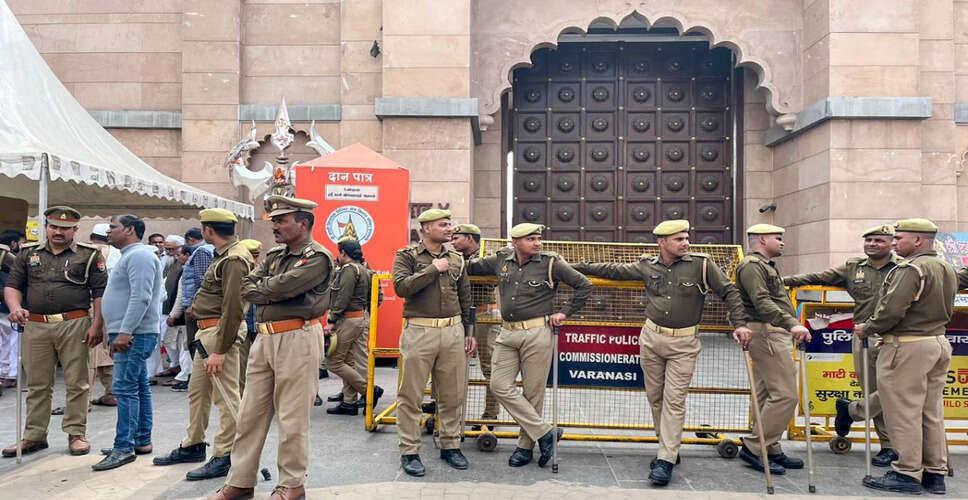

Supreme Court's Mediation Attempt Faces Setback
The Supreme Court's initiative to resolve the Gyanvapi Mosque dispute through mediation has encountered a significant setback. Both parties involved, the Hindu and Muslim communities, have declined the court's proposal for mediation. They have made it clear that they prefer to resolve this sensitive and long-standing issue solely through legal proceedings and court rulings.
The Supreme Court had requested both parties to appear at the mediation center in Varanasi on Tuesday to explore the possibility of reaching an agreement. However, this mediation effort received no support from either side.
Background of the Mediation Initiative
The Supreme Court launched the 'Supreme Court Action for Mediated Adjudication and Disputes Harmonization Across Nation' (SAMADHAN SAMAROH) program. This initiative aims to promote the resolution of pending cases through mediation ahead of the special Lok Adalat scheduled for August 21, 22, and 23. Under this initiative, parties involved in various pending cases were encouraged to seek mutual agreements.
Hindu Side Insists on Legal Resolution
The Hindu representatives have firmly stated their refusal to resolve the dispute through mediation, insisting instead on a decision based on legal proceedings. According to the Hindu claimants, the resolution of this issue should be determined by the courts according to the law, rather than through discussions outside the judicial process. Advocate Madan Mohan Yadav, representing the Hindu side, stated, "We have decided that the temple is ours and the Muslim side is the encroacher. The mosque side should vacate the area to allow for the construction of the grand Kashi Vishwanath temple at the original Jyotirlinga site."
Muslim Side Also Declines Participation
The Muslim representatives have similarly expressed their objections to the mediation process. Mohammad Yasin, secretary of the Anjuman Intezamia Masjid Committee, stated that they see no possibility of resolving the dispute through mediation and have decided not to participate in the process.
Understanding the Gyanvapi Dispute
The Gyanvapi case is a civil dispute concerning the religious status of the Gyanvapi Mosque, located near the Kashi Vishwanath Temple in Varanasi. The Hindu side claims that the mosque was built by demolishing parts of an ancient temple during the reign of Mughal Emperor Aurangzeb in the 17th century. Conversely, the Muslim side asserts that the mosque predates Aurangzeb's rule and is legally recognized as waqf property.