
Supreme Court Mandates Virtual Hearings Amid Rising Fuel Prices
In a significant move, the Supreme Court of India has mandated virtual hearings on specific days during June and July, allowing staff to work from home to address rising fuel prices. This decision, influenced by geopolitical tensions and the need for fuel conservation, reflects the government's broader appeal for energy efficiency. The court has also encouraged carpooling among judges and established guidelines for remote work. As crude oil prices soar, this initiative aims to mitigate the impact on India's import bill, following a recent hike in petrol and diesel prices. Discover more about the implications of this ruling and the government's energy conservation efforts.
| May 15, 2026, 18:02 IST
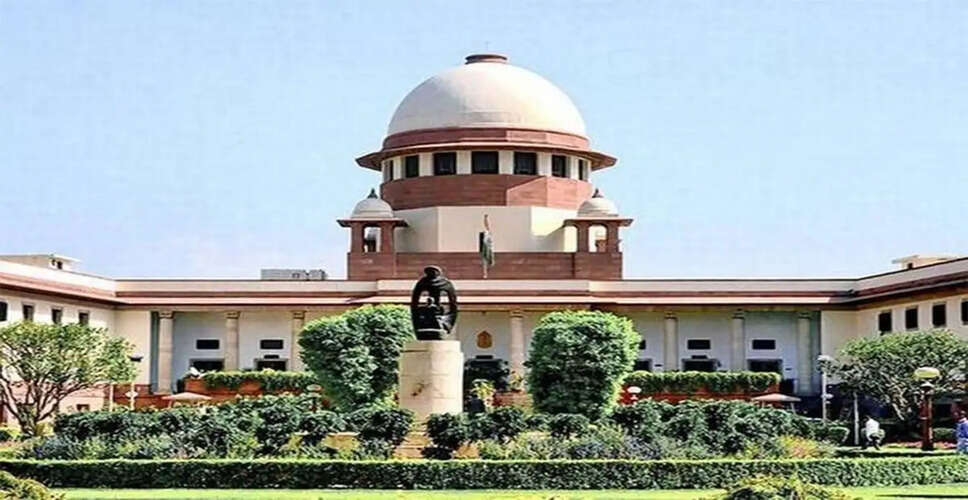

Supreme Court's New Directive on Virtual Hearings
The Supreme Court has mandated virtual hearings on Mondays and Fridays during partial working days in June and July. This decision comes in response to ongoing geopolitical tensions in West Asia, which have raised concerns about fuel conservation. Additionally, the court has allowed up to 50% of its registry staff to work from home twice a week. This initiative, directed by Chief Justice (CJI) D.Y. Chandrachud, aims to address the rising energy concerns in India amidst soaring global crude oil prices.
Details of the New Measures
According to a circular issued by the Supreme Court's Secretary Bharat Parashar, hearings for all listed cases during partial working days will be conducted exclusively via video conferencing. The circular emphasizes the need for stable video conferencing facilities and timely technical support to avoid any disruptions for the honorable court.
Encouraging Carpooling and Remote Work
The Supreme Court judges have unanimously decided to promote carpooling among themselves to maximize fuel efficiency. The court has also permitted up to 50% of staff in each branch or section of the registry to work from home for two days a week. Registrars have been tasked with creating a weekly roster to ensure smooth court administration. Employees allowed to work remotely must remain reachable by phone and be prepared to attend the office when necessary. Registrars have the authority to limit or modify remote work arrangements if deemed ineffective for essential tasks.
Context of the Decision
This ruling reflects the central government's broader appeal for fuel conservation in light of rising crude oil prices impacting India's import bill. Prime Minister Narendra Modi recently urged citizens to reduce petrol and diesel consumption, utilize public transport, adopt carpooling, and resume working from home where feasible. Earlier this week, the government reiterated its commitment to energy conservation in daily life, following concerns about the energy situation. Notably, India raised petrol and diesel prices by ₹3 per liter, marking the first retail fuel price hike in four years as state-owned oil marketing companies seek to recover losses due to rising crude oil costs.