
Supreme Court Issues Notice to Government on Anti-Defection Law Challenge
The Supreme Court has taken a significant step by issuing a notice to the central government concerning a PIL filed by Kapil Sibal. This PIL questions the interpretation of the Tenth Schedule of the Constitution, which permits legislators to evade disqualification under anti-defection laws through party mergers. The bench highlighted the importance of addressing such issues within the legislative assembly and acknowledged the challenges posed by the current interpretation of the law. Sibal emphasized the potential for electoral outcomes to shift dramatically, raising concerns about the implications for political integrity. This case could have far-reaching effects on the functioning of political parties and the legislative process in India.
| Jul 27, 2026, 16:37 IST
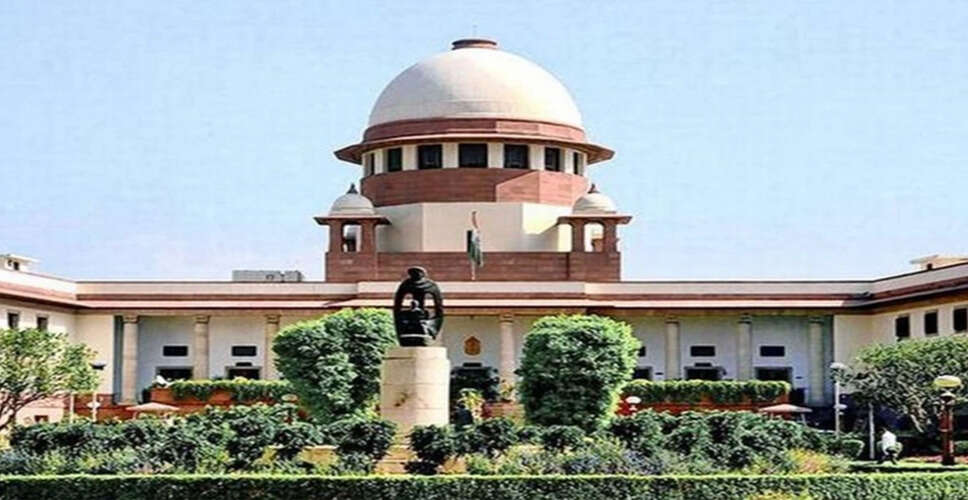

Supreme Court's Notice on Anti-Defection Law Interpretation
The Supreme Court has issued a notice to the central government regarding a Public Interest Litigation (PIL) filed by Kapil Sibal. This PIL contests the interpretation of the Tenth Schedule of the Constitution, which allows legislators to avoid disqualification under anti-defection laws through mergers with political parties. A bench comprising Justices PS Narasimha and Alok Aradhe issued the notice after a brief hearing on the petition. The bench highlighted the "significant issues" related to India's anti-defection law, noting that it was enacted by the legislature.
Related Reading: CJI Surya Kant Comments on Lathicharge, Advocates for Nationwide Protocol for Protests
The bench further remarked that such matters should ideally be raised within the legislative assembly. Justice Narasimha emphasized that these issues should typically be addressed in the house; if not, they should at least be brought to the attention of political parties. The purpose of the Tenth Schedule is to regulate the conduct of legislators. The bench acknowledged that there have been several significant challenges in the functioning of the Tenth Schedule, but it was created by the Members of Parliament (MPs) themselves.
Related Reading: Supreme Court Directs Inclusion of CA in SIT, Status Report on Ram Mandir Donation Scam in Two Weeks
Sibal responded by stating that MPs can also make mistakes, and this issue may never be resolved as it benefits those in power. He argued that those in authority will never allow a resolution to this matter. Sibal, who is also a sitting MP, urged the court to consider the seriousness of the issue. He pointed out that electoral outcomes can be altered, with a minority group potentially becoming a majority and vice versa. Sibal raised constitutional questions regarding the provisions related to mergers under the Tenth Schedule, asserting that the current interpretation allows splinter groups to merge with other political parties, thereby circumventing the strictures of the anti-defection law.