
Supreme Court Intervenes: Contempt Plea Filed Over Metro and Train Restrictions Amid CJP Protest
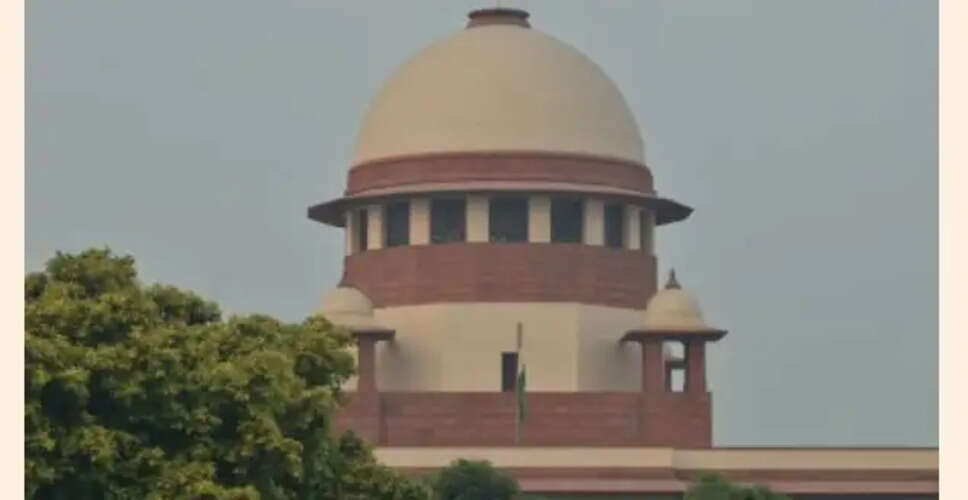

Supreme Court Addresses Public Transport Restrictions
New Delhi: On Saturday, a petition was submitted to the Supreme Court requesting the initiation of contempt proceedings against officials for allegedly disregarding the court's order regarding the movement of metro and Indian Railways trains on October 10, coinciding with a protest by the Cockroach Janta Party (CJP).
The petition, brought forth by Shailendra Mani Tripathi, names Union Home Secretary Govind Mohan and several others as respondents.
It claims that despite the Supreme Court's directive on October 9, authorities have continued to close metro stations in the capital, severely impacting public transportation and causing significant inconvenience.
The petition references the Supreme Court's earlier ruling, which addressed a separate case concerning the shutdown of 57 metro stations and the cancellation of train services to Delhi due to the planned protest.
The CJP is protesting against Chief Election Commissioner Gyanesh Kumar.
During a hearing on Friday, Chief Justice Surya Kant and Justices Joymalya Bagchi and V Mohana instructed the government to ensure that there is no total ban on metro and train services leading to Delhi on October 10, emphasizing that public life should not be completely halted.
While law enforcement has the authority to manage disorderly conduct, the court stressed that citizens should not face undue harassment.
The bench noted that the notifications issued appeared excessive, imposing a total ban on essential public transport. The Solicitor General of India acknowledged the need for authorities to reconsider such prohibitions.
The court clarified that while there should be no outright ban on metro operations, a sensible approach should be taken to allow regulated services.
It also recommended that any decisions made should be widely communicated to minimize public inconvenience.
Additionally, the bench suggested that a traffic advisory be published in newspapers and online to facilitate smooth vehicle movement and avoid further disruptions for travelers in the city.
As a precaution, the Delhi Metro announced the closure of 45 stations from 9 PM Friday until 6 PM Saturday for security reasons.