
Supreme Court Implements Guidelines to Combat Student Suicides in India
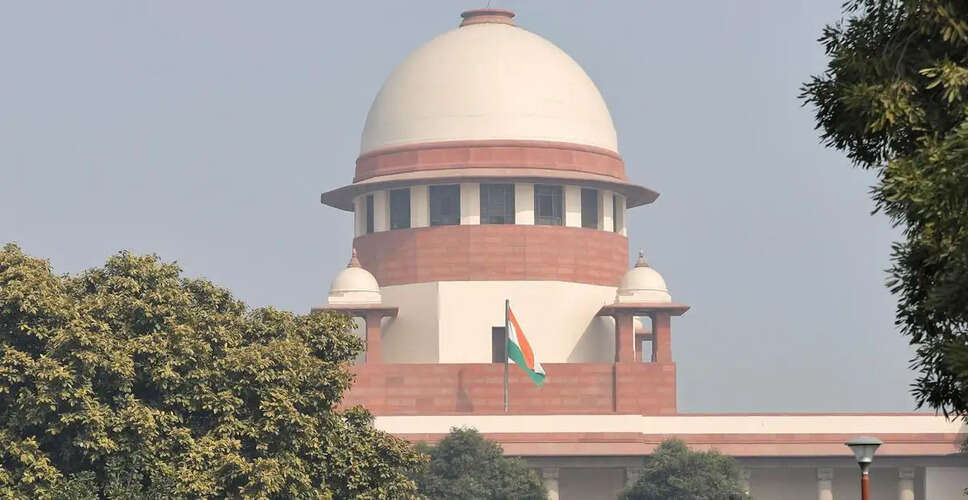
New Guidelines for Mental Health in Educational Institutions
On Friday, the Supreme Court of India announced 15 interim guidelines aimed at tackling the increasing incidents of student suicides and mental health issues within educational institutions across the country.
These guidelines emphasize the necessity for trained counselors and psychologists, the establishment of a standardized mental health policy, and the annual evaluation of wellness programs in educational settings.
A bench comprising Justices Vikram Nath and Sandeep Mehta noted a significant “legislative and regulatory vacuum” concerning a cohesive and enforceable suicide prevention framework in schools, colleges, and coaching centers.
The court stated that these guidelines will remain effective and obligatory until appropriate legislation or regulatory measures are enacted by the relevant authorities.
This ruling was made following an appeal against a decision by the Andhra Pradesh High Court, which had denied a request to transfer the investigation into the suspicious death of a 17-year-old National Eligibility-cum-Entrance Test candidate in Visakhapatnam to the Central Bureau of Investigation. The Supreme Court has now instructed the central agency to take over the case.
Implementing Mental Health Policies
The Supreme Court has mandated that all educational institutions adopt a uniform mental health policy, utilizing the UMMEED draft guidelines, the Manodarpan initiative, and the National Suicide Prevention Strategy as frameworks.
This policy must be reviewed annually and made accessible on institutional websites and notice boards.
The UMMEED guidelines, which stand for Understand, Motivate, Manage, Empathise, Empower, Develop, were introduced in 2023 by the Union Ministry of Education to aid in preventing student suicides.
Meanwhile, the Manodarpan initiative was initiated to offer psychosocial support during and after the COVID-19 pandemic, while the National Suicide Prevention Strategy delineates the roles of various stakeholders in lowering suicide rates.
Among other recommendations, the court specified that institutions with over 100 students should hire qualified counselors, psychologists, or social workers trained in child and adolescent mental health.
Smaller institutions are encouraged to establish formal referral systems with external mental health professionals.
The court also instructed educational and coaching institutions to refrain from practices detrimental to students’ mental health, such as public shaming, imposing unrealistic academic targets, and segregating students based on performance.
Residential institutions are advised to install tamper-proof ceiling fans and other safety devices, as well as limit access to rooftops and balconies to prevent impulsive self-harm actions.
Coaching centers in major cities like Jaipur, Kota, Sikar, Chennai, Hyderabad, Delhi, and Mumbai are required to enhance mental health protections.
All teaching and non-teaching staff must participate in mandatory training sessions twice a year, led by certified mental health professionals.
These guidelines are applicable to all public and private schools, colleges, universities, and coaching centers.