
Supreme Court Exonerates Former PM Manmohan Singh in Coal Block Allocation Case
In a significant legal development, the Supreme Court has exonerated former Prime Minister Manmohan Singh in the coal block allocation case, overturning a previous trial court's summons. The court's ruling confirms the CBI's findings that there was no substantial evidence to prosecute Singh. This decision not only clears Singh's name posthumously but also concludes one of the most notable criminal cases from the UPA era. The bench emphasized the necessity of reviewing the legality of the summons issued against Singh, despite his passing. Legal representatives argued for the removal of adverse comments made by the trial court, highlighting the implications of vicarious liability. This ruling marks a pivotal moment in the ongoing discourse surrounding political accountability and legal scrutiny in India.
| Jul 29, 2026, 15:56 IST
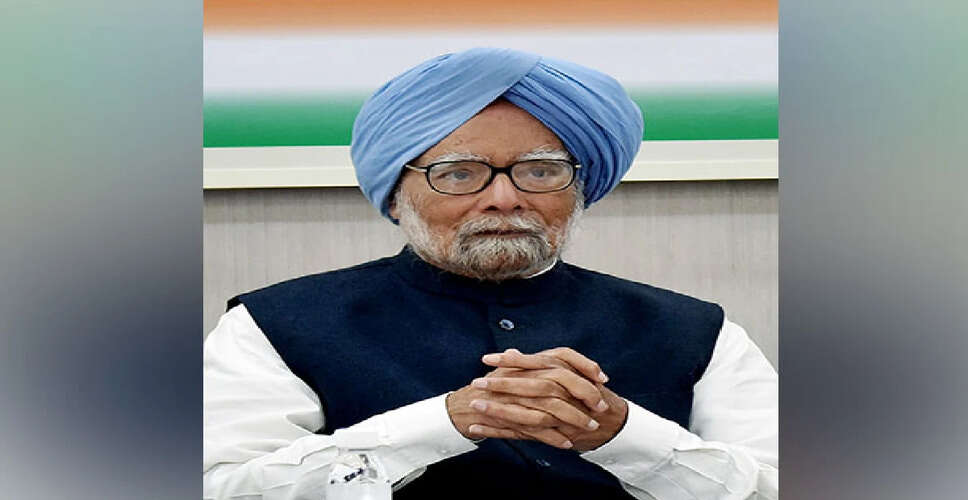

Supreme Court Ruling on Coal Block Allocation
The Supreme Court officially cleared former Prime Minister Manmohan Singh of any wrongdoing in the coal block allocation case on Wednesday. The court annulled a 2015 trial court ruling that had summoned him as an accused, despite the Central Bureau of Investigation (CBI) submitting two closure reports indicating there was no substantial reason to prosecute him. This ruling by the bench, comprising Chief Justice D.Y. Chandrachud and Justices Joymalya Bagchi and V. Mohan, legally vindicates Singh posthumously. Singh passed away in December 2024, and his appeal against the summons had been pending in the Supreme Court for over a decade. The recent ruling not only terminates the criminal proceedings against the late former Prime Minister but also affirms the CBI's conclusion that there was insufficient evidence to pursue charges against him. This marks the conclusion of one of the most significant criminal cases related to coal block allocations during the UPA era.
Legal Validity of the Summons
The bench acknowledged that Singh's death rendered the appeal technically moot; however, it was essential to assess the legal validity of the trial court's decision. Despite the investigation agency's two findings that no criminal case existed against him, Singh had been summoned. The bench stated that considering the standards established by this court regarding the acceptance of the investigation agency's reports, it was clear that the special judge had no valid reason to reject the CBI's closure reports or to take cognizance of the case. By approving the appeal, the court annulled the special CBI court's order from March 11, 2015, accepted both closure reports filed by the CBI, and directed the case to be closed.
Judicial Review of Summons Validity
The bench remarked that although Singh is no longer alive, the legitimacy of the summons issued against him warranted judicial scrutiny. The order noted that due to the unfortunate passing of the appellant, the appeal could be dismissed as irrelevant. However, to consider the aspects of the special judge's cognizance and the summons issued to the appellant, the court reviewed both closure reports submitted by the CBI. During the hearing, senior lawyers Kapil Sibal and Abhishek Manu Singhvi, representing Singh's legal team, urged the court to expunge the adverse remarks made by the trial court. Sibal argued that the trial judge had imposed 'vicarious criminal liability' on the former Prime Minister for actions taken by others, despite the two closure reports exonerating him.