
Supreme Court Dismisses Petition Against PM's Offering at Ajmer Dargah
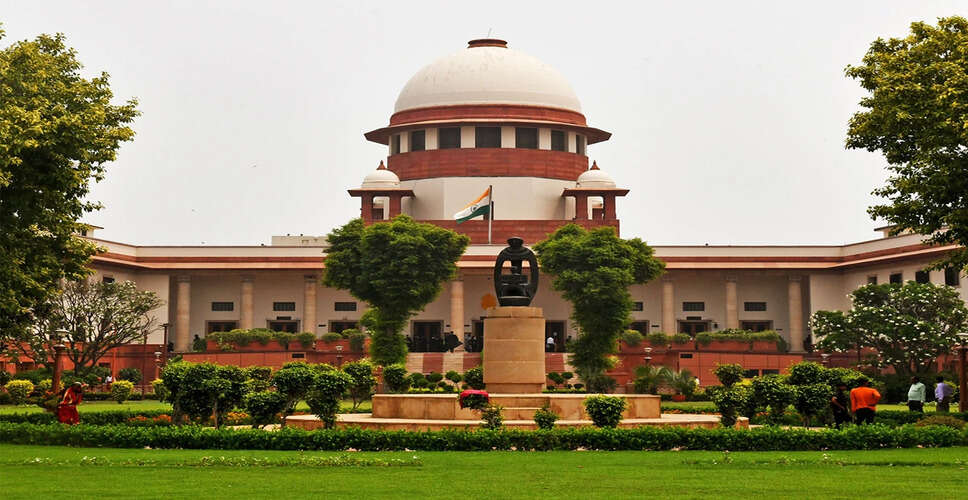
Supreme Court Ruling on Ajmer Dargah Tradition
The Supreme Court has rejected a petition challenging the tradition of offering a ceremonial 'chadar' at the Ajmer Dargah of the 13th-century Sufi saint Khwaja Moinuddin Chishti, which is sponsored by the Prime Minister. The bench, led by Chief Justice Suryakant and Justice Joymalya Bagchi, stated that since the offering had already been made, the issue had become moot. They further noted that this was not a matter suitable for judicial intervention.
The petitioners sought to prevent the Indian government, including the Prime Minister, from presenting formal honors such as the chadar during the annual Urs festival at the Ajmer Dargah. They argued that such actions contradict public sentiment, national sovereignty, and the core values of the Indian Constitution.
Historical Context of the Offering Tradition
The practice of offering a formal 'chadar' at the Ajmer Sharif Dargah was initiated by Prime Minister Jawaharlal Nehru in 1947 and has been continued by subsequent leaders. The petition was filed by Jitendra Singh, president of the World Vedic Sanatan Sangh, and Vishnu Gupta, national president of the Hindu Sena. The public interest litigation challenged the 'state-sponsored formal honors, official patronage, and symbolic recognition' given to Khwaja Moinuddin Chishti.
Historical records indicate that Moinuddin Chishti arrived in India during the 12th century amidst the invasions of Shahabuddin Gori, associated with foreign conquests and conversion campaigns, while the institutional recognition of his dargah came much later.
Concerns Over Historical Associations
Historical documents reveal that Moinuddin Chishti was linked to foreign invasions that conquered Delhi and Ajmer, leading to widespread oppression and conversion of the local populace. These actions are seen as fundamentally opposed to India's sovereignty, dignity, and civilizational values. The petitioners argue that honoring such a figure with formal tributes undermines the principles enshrined in the Constitution, including justice, liberty, equality, and national integrity, and disregards the will of the people.