
Supreme Court Dismisses Justice Yashwant Verma's Petition Challenging Corruption Inquiry
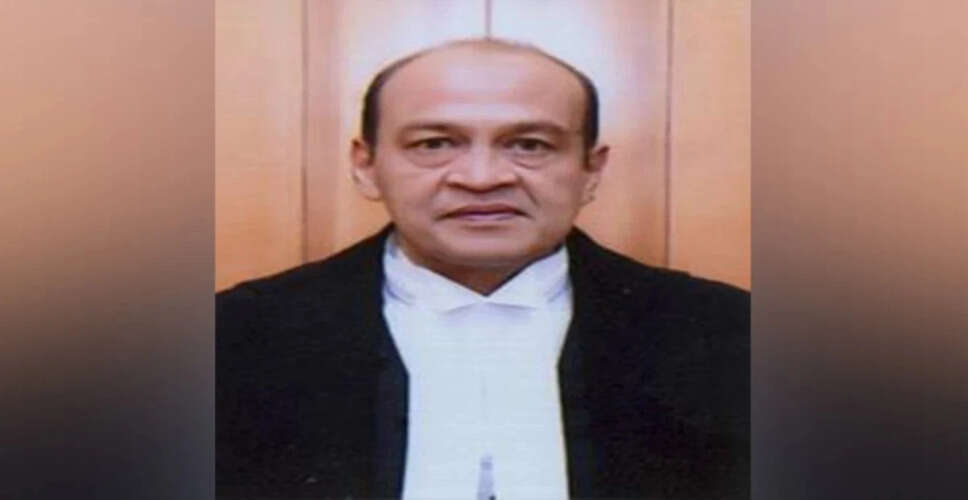
Supreme Court's Ruling on Justice Verma's Case
Justice Yashwant Verma of the Allahabad High Court has faced a significant setback as the Supreme Court has rejected his petition. This petition challenged the decision of a parliamentary panel investigating allegations of corruption against him and the Lok Sabha Speaker's proposal for his removal. The bench, led by Justice Dipankar Dutta, dismissed the petition. On December 16, the Supreme Court had agreed to hear Justice Verma's plea, which contested the unilateral formation of a committee under the Judges (Inquiry) Act by the Lok Sabha Speaker.
Represented by senior advocate Mukul Rohatgi, Justice Verma argued that the establishment of the committee under Section 3(2) of the 1968 Act violated his rights to equal treatment and protection under the law.
He pointed out that although the notices regarding his removal were issued simultaneously in both houses of Parliament, the Speaker had unilaterally constituted the committee. The court reserved its decision before ultimately dismissing the petition. Following the discovery of bundles of burnt currency notes at his official residence in New Delhi on March 14, Justice Verma was transferred back to the Allahabad High Court from the Delhi High Court.
On December 16, the Supreme Court had issued notices to the Lok Sabha Speaker's office and the secretaries of both houses of Parliament, agreeing to hear Justice Verma's petition challenging the formation of the inquiry committee.
Background of the Inquiry
Previously, former Chief Justice Sanjeev Khanna initiated an internal investigation and formed a three-member committee, which included the Chief Justice of the Punjab and Haryana High Court, Shil Nagoo, the Chief Justice of the Himachal Pradesh High Court, G.S. Sandhawalia, and Justice Anu Shivraman of the Karnataka High Court. This committee submitted its report on May 4, finding Justice Verma guilty of misconduct.