
Supreme Court Dismisses Contempt Petition on Mob Lynching Guidelines
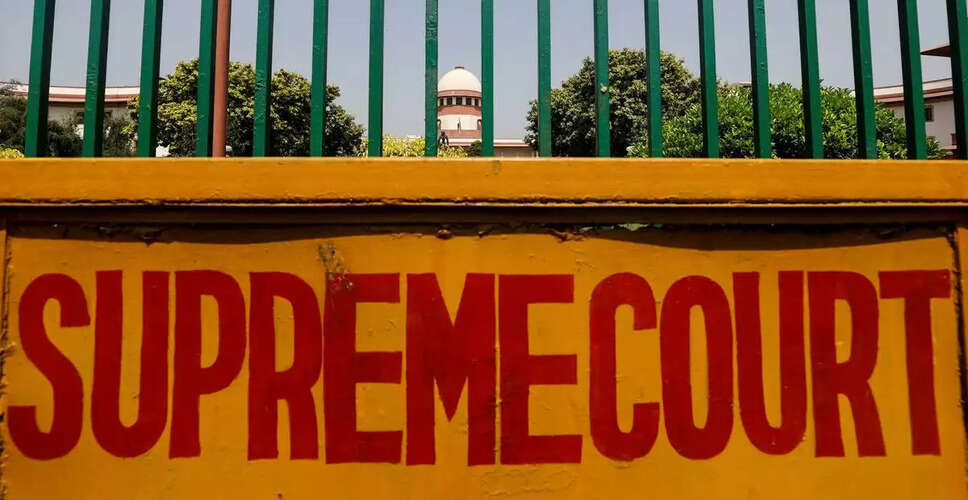
Supreme Court's Stance on Mob Lynching
On Monday, the Supreme Court declined to consider a petition claiming non-compliance with its 2018 ruling regarding mob lynching. The court stated that its directives to the central and state governments were of a general nature and deemed 'unmanageable', as reported by a legal news outlet.
The 2018 ruling mandated that both the central and state authorities implement preventive, remedial, and punitive measures to combat lynching incidents.
Additionally, the court instructed the establishment of special courts for trials, the creation of a compensation scheme for victims and their families, and disciplinary actions against officials who fail to address lynching cases appropriately.
It also urged Parliament to contemplate the introduction of a new legal provision to address vigilantism, emphasizing that 'mobocracy' should not be tolerated in society.
During the hearing of a contempt petition filed by the organization Samastha Kerala Jamiat-ul-Ulema, Chief Justice Surya Kant and Justice Joymalya Bagchi expressed caution regarding the issuance of unmanageable directives. They noted that any contempt petition should be based on specific instances of rights violations.
The bench questioned the frequency of contempt petitions, indicating their reluctance to entertain such pleas without concrete evidence. They reiterated that the court's previous directives were intended to be general principles that the public should be aware of.
In its 2018 ruling, the Supreme Court had also called for public announcements via radio, television, and government websites to convey that mob violence would be addressed seriously under the law. It requested compliance reports from the Union government and states and recommended stringent actions against those disseminating inflammatory messages and videos.
This ruling was part of a series of petitions, including one from Tarun Gandhi, the great-grandson of Mahatma Gandhi, and another from activist Tehseen Poonawalla, aimed at curbing violence perpetrated by cow vigilante groups.