
Supreme Court Discusses Menstrual Leave Policy and Its Implications
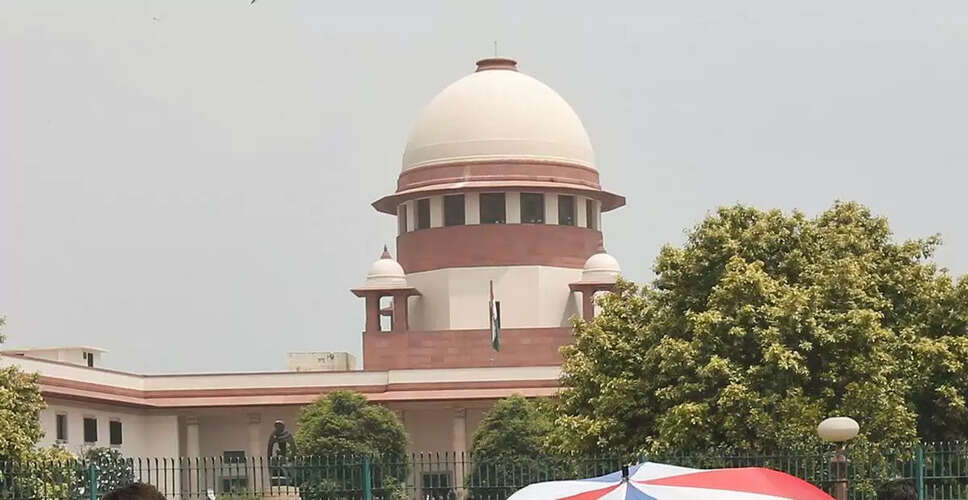
Supreme Court's Stance on Menstrual Leave
On Friday, the Supreme Court expressed concerns that a government policy mandating menstrual leave could deter employers from hiring women, potentially impacting their workforce participation.
Despite this, the court urged the Union government to develop a menstrual leave policy after consulting relevant stakeholders.
This directive was issued as a bench led by Chief Justice Surya Kant and Justice Joymalya Bagchi addressed a petition from Shailendra Mani Tripathi, who sought paid menstrual leave across all workplaces.
Tripathi had previously submitted two petitions on this issue, with the first one being resolved in February 2023, allowing him to present his case to the Union Ministry of Women and Child Development.
After not receiving a response, he returned to the Supreme Court in 2024, leading to a second petition that was resolved in July 2024, directing the government to make a policy decision.
During the recent hearing, the bench questioned the necessity of Tripathi's petition, noting that no women had approached the court regarding this matter.
“This essentially creates an impression among young women that they have inherent issues and are not equal to men, which could hinder their work capabilities during certain times,” the bench remarked.
The Chief Justice also urged the petitioner to consider the long-term effects of such a policy, emphasizing the realities of the job market.
“The less appealing the workforce, the lower the chances of employment,” he stated, highlighting the business perspective. “Would employers prefer competing claims from different genders?”
Advocate MR Shamsad, representing the petitioner, noted that Karnataka has recently established a menstrual leave policy, while Odisha has had one since 1992. He mentioned that several private companies are also offering period leave voluntarily.
“If companies are doing this voluntarily, it’s commendable,” the Chief Justice acknowledged. “However, making it a legal requirement could adversely affect women's careers.”
He further warned that such a policy might lead to women being overlooked for responsibilities, even in judicial roles.
On October 9, the Karnataka Cabinet approved a Menstrual Leave Policy for 2025, granting one day of paid leave each month for women in both government and private sectors.
This policy was initiated by the labor department following recommendations from a committee advocating for paid menstrual leave.
In November, the government officially announced the menstrual leave policy.
However, in December, the Karnataka High Court temporarily stayed the policy but later retracted its order within hours.