
Supreme Court Demands Accountability Over Assaults on Women Journalists in Delhi
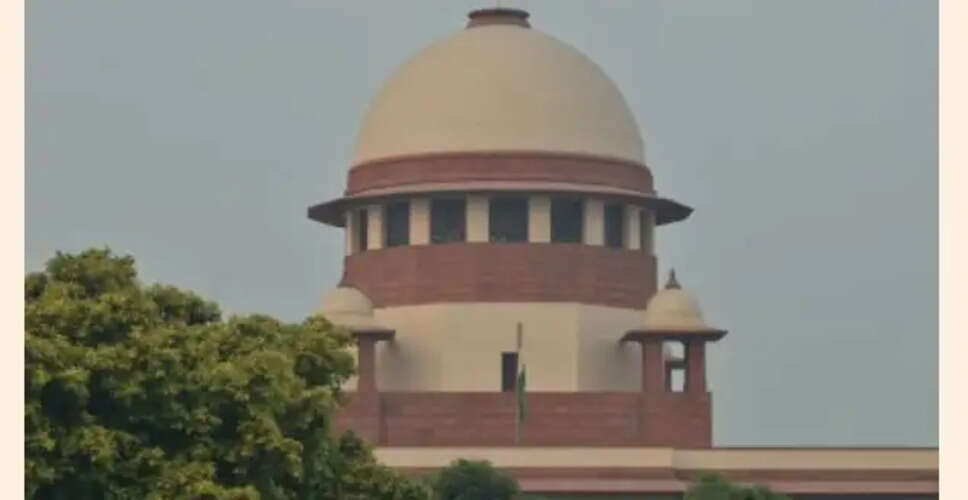

Supreme Court Addresses Assault Allegations Against Women Journalists
New Delhi: On Tuesday, the Supreme Court expressed grave concern regarding reports of police assaults on women journalists during protests in the capital. The court has summoned a senior officer from the Delhi Police to attend a hearing on Thursday to clarify the situation.
This decision was made by a Bench led by Chief Justice of India (CJI) Surya Kant, alongside Justices Joymalya Bagchi and V. Mohana, after senior advocate Indira Jaising brought forth a petition from the Network of Women in Media, India (NWMI). The petition calls for protective measures for journalists, especially women, covering protests.
CJI Kant emphasized the need for a senior police official to provide an explanation regarding the allegations, indicating the seriousness of the matter.
These developments follow claims that journalists faced physical aggression, detention, and obstruction while covering protests against Chief Election Commissioner Gyanesh Kumar on October 10 and 11.
Additionally, senior advocate Gopal Sankaranarayanan raised a separate contempt petition, alleging police misconduct against journalists, which contravened the Supreme Court's order issued on October 10.
The Supreme Court had previously instructed authorities to ensure that journalists, lawyers, and other professionals could perform their duties without interference.
This directive was part of a ruling by Justices Joymalya Bagchi and V. Mohana, addressing contempt petitions related to restrictions imposed ahead of planned protests.
The court also mandated that Metro and railway services operate normally, internet connectivity remain uninterrupted, and the public be allowed free movement, all while adhering to traffic regulations and maintaining public order.
Furthermore, the Supreme Court stipulated that detentions should only occur in accordance with established legal procedures, particularly concerning peaceful and unarmed gatherings in areas where prohibitory orders under Section 163 of the Bharatiya Nagarik Suraksha Sanhita (BNSS) are enforced.