
Supreme Court Demands Accountability from Tamil Nadu Officials Over Deepam Controversy
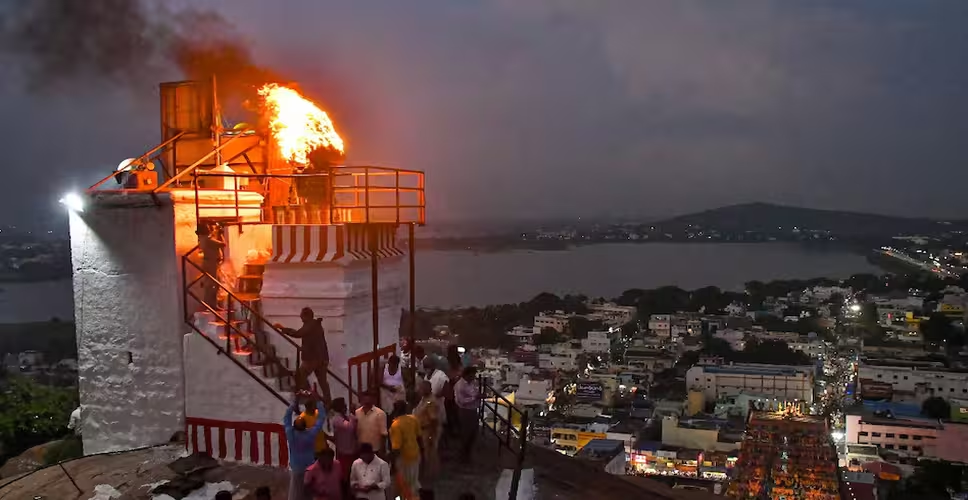

Supreme Court Takes a Firm Stand on Deepam Lighting Dispute
The Supreme Court has adopted a stringent approach regarding the ongoing controversy surrounding the lighting of Deepam in Tamil Nadu. The court has summoned state government officials to provide explanations regarding their compliance with the court's orders.
This issue pertains to the enforcement of directives related to Deepam lighting. Allegations have surfaced that the court's instructions were not followed, prompting a contempt petition that led to the Supreme Court summoning 13 officials, including the Chief Secretary and the Director General of Police (DGP) of Tamil Nadu.
Thirteen Officials Summoned in Contempt Case
Taking the matter seriously, the Supreme Court has called upon senior officials from the state, including the Chief Secretary and the DGP. The court seeks to understand why the previous orders were not adhered to and what circumstances contributed to this non-compliance.
Ongoing Controversy Over Deepam Lighting Orders
The dispute over Deepam lighting continues to be a topic of significant discussion in Tamil Nadu. Following the Supreme Court's orders, the lack of clarity on the situation has escalated the matter to a contempt hearing. All eyes are now on the upcoming hearing and the responses from the state government.
This action by the Supreme Court is viewed as crucial in ensuring adherence to its directives.