
Supreme Court Declines Petition for Uniform Menstrual Leave Policy
The Supreme Court of India has declined a public interest petition seeking a uniform menstrual leave policy for women and students. The court emphasized that such decisions should be made by policymakers rather than through judicial mandates. Concerns were raised about potential negative impacts on women's employment opportunities and the reinforcement of stereotypes. The ruling highlights the need for comprehensive policy-making to address women's health and workplace equality, urging the government to consider balanced solutions. As the debate continues, attention shifts to how policymakers will respond to this significant issue.
| Mar 13, 2026, 19:34 IST
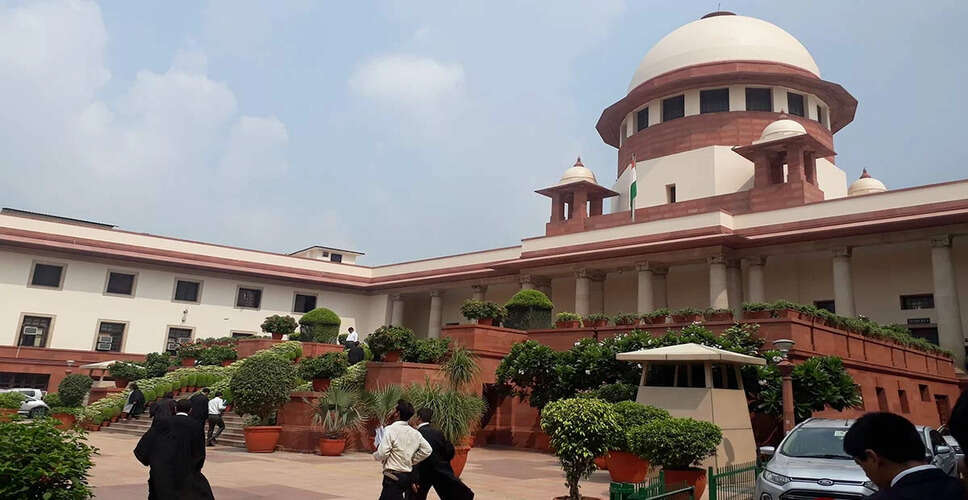
Supreme Court's Decision on Menstrual Leave Petition
The Supreme Court of India has today rejected a public interest litigation that sought a uniform policy across the nation to grant leave for women and students during their menstrual periods. The court did not engage in an extensive hearing on the matter but provided several key reasons, stating that such decisions fall within the jurisdiction of policy-making bodies rather than the judiciary.
The bench, comprising Chief Justice Suryakant and Justice Joymalya Bagchi, expressed concerns that mandating menstrual leave through legislation could lead to unintended consequences. The court suggested that such a requirement might adversely affect employment opportunities for women.
Read More: Supreme Court Takes Major Action in Mahua Moitra Case, Stays High Court Order for CBI Probe
During the proceedings, the Chief Justice remarked that if an organization or company voluntarily provides such leave, it is commendable. However, if it becomes a legal requirement, many employers might hesitate to hire women. The court noted that such a move could limit professional opportunities for women rather than assist them.
The bench also raised concerns that establishing a legal basis for menstrual leave could reinforce negative stereotypes about women. The court indicated that this might convey the message that women are less capable or reliable in the workplace. Such arguments could inadvertently undermine women's status, despite menstruation being a normal biological process.
The court clarified that the authority to formulate such policies lies with the government and policymakers. It emphasized that any policy should be developed after consulting various stakeholders. The court also mentioned that the petitioners had already submitted a report to the relevant authorities, allowing them to review it and potentially create a policy after consultation if deemed necessary. Based on this reasoning, the court dismissed the public interest litigation without issuing any additional directives.
During the hearing, senior advocate M.R. Shamshad, representing the petitioners, argued that some regions in the country already have menstrual leave provisions in place. He pointed out that certain educational institutions in Kerala offer special allowances for students during their menstrual periods. Additionally, several private companies have voluntarily implemented such policies. However, the court acknowledged these examples while reiterating that voluntary arrangements should be prioritized. According to the court, if institutions and companies take the initiative in this direction, it could lead to a more practical and balanced solution.
The Supreme Court's stance carries significant implications. The court has indicated that addressing complex social and labor issues requires comprehensive policy-making rather than solely judicial orders. This places a greater responsibility on both the government and society to develop balanced systems that consider women's needs. Furthermore, the court highlighted potential adverse effects in the employment sector, suggesting that mandatory leave laws could deter some employers from hiring women, thereby undermining gender equality goals.
Moreover, this ruling underscores the ongoing debate about how to balance women's health and workplace equality. While issues related to menstruation are real, it is crucial to ensure that policy-making does not weaken women's professional image. Overall, the court has made it clear that while the issue of menstrual leave is important, its resolution should emerge from broader social and administrative dialogue rather than judicial mandates. Attention now turns to the government and policymakers to see what steps they will take on this matter.