
Supreme Court Addresses Police Brutality During Student Protests

Supreme Court's Stance on Police Actions
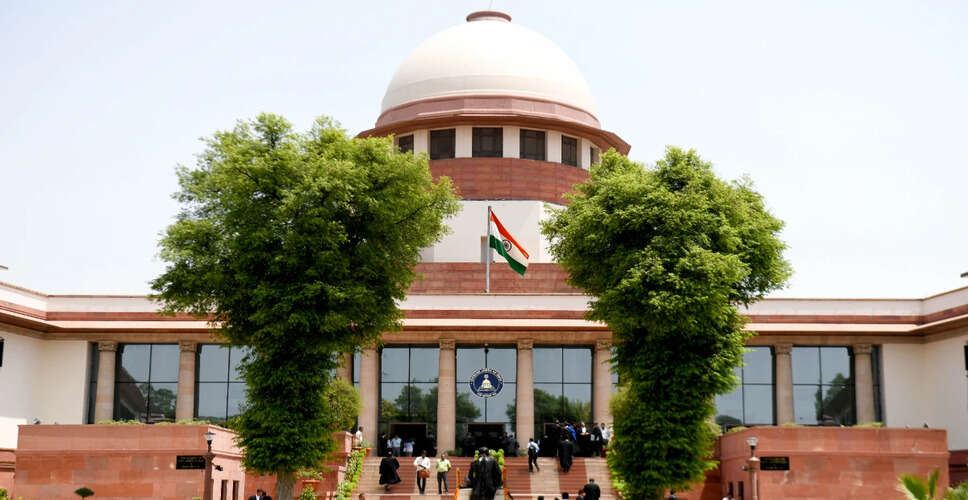
In light of recent student protests and the ongoing debate regarding alleged police excesses, the Supreme Court stated on Monday that a baton charge cannot be justified solely due to the occurrence of protests. A bench led by the Chief Justice of India made this remark while addressing new petitions related to excessive force used against demonstrators in various parts of the country. One such petition was filed by a group of students claiming they were assaulted during the protests.
Importance of Discipline in Democratic Processes
During the hearing, the Chief Justice emphasized that the right to peaceful and lawful protests is fully protected under the Constitution. He stated, "As long as the protests remain peaceful, excessive force cannot be justified merely because a protest is taking place... If there has been any misconduct, it should be independently investigated. This is not just a matter for Delhi; uniformity in police protocols across the country is essential. The mere occurrence of protests does not warrant a baton charge. Discipline is crucial in democratic processes."
Serious Allegations in Petitions: Claims of AK-47 Use
The petitions presented to the court included serious allegations from a group of students who claimed they were brutally attacked and beaten by police during a peaceful demonstration. Additionally, a shocking claim was made that police in Siwan, Bihar, used AK-47 rifles against the protesters. The court took these allegations seriously, asserting that there should be a fair and independent investigation into the accusations of indiscriminate use of force by the police.
Concerns for Both Students and Police Officers
During the proceedings, the Supreme Court bench allowed a lawyer representing the families of injured police officers to participate in the hearing. Justice Joymallya Bagchi remarked that injuries to either students or police officers are equally concerning for the court. He questioned the preparedness of state governments, stating, "Injuries to any individual, whether a police officer or a student, are a matter of equal concern. We may ask the states why police officers were not provided with helmets and adequate protective gear to handle such volatile situations."