
Supreme Court Addresses Controversial Bulldozer Demolitions in India
The Supreme Court of India has recently addressed the contentious issue of bulldozer demolitions, emphasizing that while it cannot impose a blanket ban, individuals should not be unfairly targeted. The court has transferred related petitions to the High Courts for further investigation, highlighting the importance of due process and legal rights. Senior advocates presented arguments regarding the political motivations behind these demolitions, raising concerns about the rule of law. This ruling underscores the delicate balance between law enforcement and individual rights in India.
| Jul 16, 2026, 17:39 IST
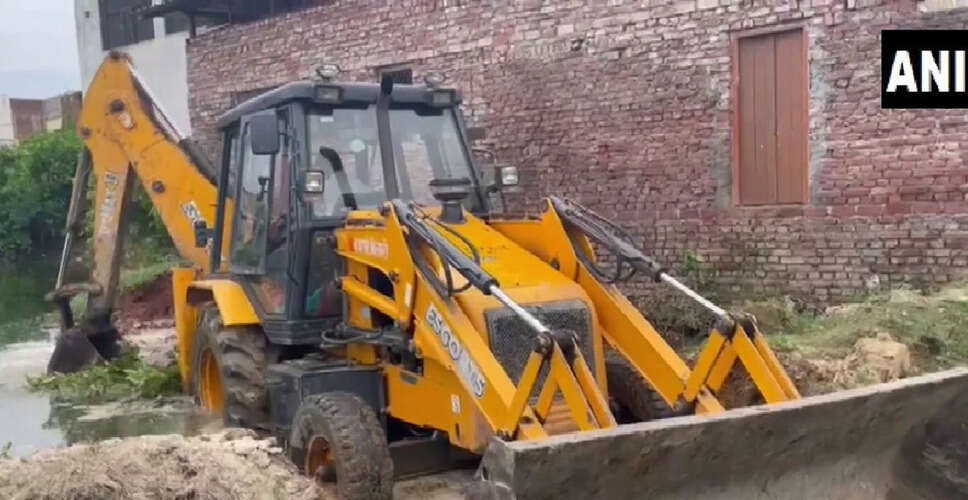

Supreme Court's Stance on Bulldozer Actions
The Supreme Court of India declined to hear contempt petitions regarding alleged arbitrary demolitions carried out by bulldozers, stating that while it cannot impose a complete ban on such actions, it is essential that individuals are not selectively targeted for punishment. The court was reviewing petitions claiming that officials violated its significant directives issued in November 2024. Dismissing the petitions, the Supreme Court asserted that investigations into these matters should be conducted by the respective High Courts.
Judicial Insights on Law Enforcement
Presided over by Chief Justice D.Y. Chandrachud, the bench, which included Justices Joymalya Bagchi and V. Mohan, emphasized that each case involves disputed facts that require thorough examination. Therefore, the High Court is the appropriate venue to determine if the safety measures established by the Supreme Court were breached.
Concerns Over Law and Order
Justice Bagchi remarked, "When collusion between authorities and illegal encroachers undermines the rule of law, the use of bulldozers becomes necessary. However, the reputation of individuals should not be tarnished in the name of law enforcement, as this contradicts fundamental principles." He further questioned whether the individual had legal rights and if due process was followed, suggesting that the ruling should be interpreted with the exceptions outlined.
Transfer of Cases to High Courts
Consequently, the court transferred the petitions to the relevant High Courts, leaving all legal and factual issues open for consideration. Notices previously issued by the Supreme Court in certain contempt cases do not prevent High Courts from independently adjudicating these matters. During the hearing, senior advocate Huzaifa Ahmadi argued that the Supreme Court should intervene in cases of severe violations of its directives. Citing a petition related to the demolition of several mosques in Somnath, he claimed that the alleged violations were evident from affidavits and could be substantiated within minutes. Ahmadi contended that the demolitions were targeted actions, occurring after a politician publicly objected to the presence of a large mosque in the state, emphasizing that the structure was not built on public land.
Political Influences on Demolitions
Senior advocate Chander Uday Singh, representing a case from Maharashtra, noted that political leaders often make public announcements promising "bulldozer justice" before demolitions take place.