
Supreme Court Addresses Concerns Over Live-Streaming of Court Proceedings
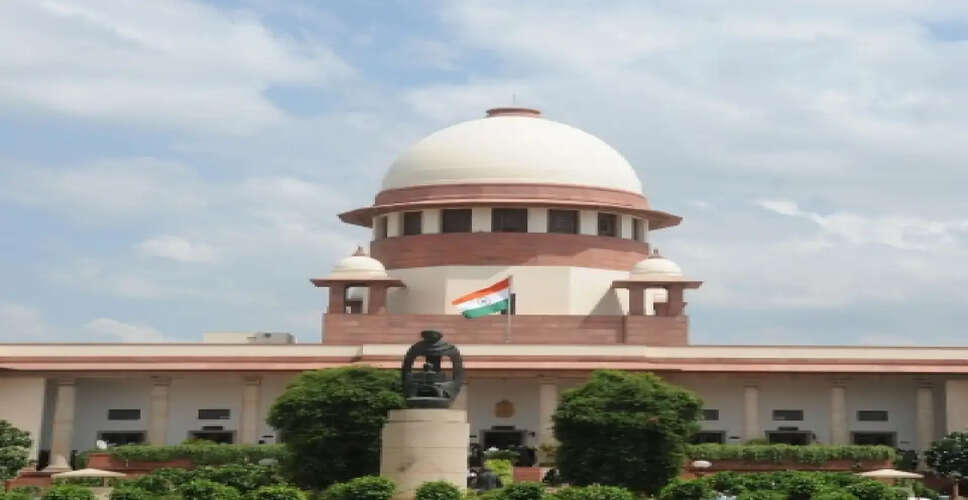

Supreme Court's Stance on Live-Streaming
New Delhi: The Supreme Court made it clear on Friday that there will be no restrictions on live-streaming court sessions, while expressing serious concerns regarding the monetization and misrepresentation of these proceedings through video clips.
A bench led by Chief Justice Surya Kant, along with Justices Joymalya Bagchi and V Mohana, voiced their dissatisfaction over the commercial exploitation of live-streamed hearings, which they believe has severely harmed the integrity of the judicial system.
The bench remarked to advocate Mathews J Nedumpara, who admitted to sharing video clips on social media, "You have no idea the damage caused to the Bar and Bench and the institution as a whole."
Nedumpara argued against any limitations on live-streaming, asserting that the court should remain accessible and that judges should not fear criticism, referencing practices in the United States and the United Kingdom.
CJI Kant responded, affirming that there is no intention to impose restrictions on live-streaming, but emphasized the need to address the misuse of recordings for personal gain, advertising, and misrepresentation.
The court has given the government two weeks to respond with suggestions based on feedback from various high courts, and it plans to issue necessary guidelines.
The existing order prohibiting YouTube channels from sharing court clips will remain in effect until further notice.
The bench instructed that all suggestions from involved parties and stakeholders be sent to the Solicitor General of India, allowing time for a counter-affidavit and a proposal based on the feedback received.
This discussion arose from a plea aimed at curbing unauthorized extraction and monetization of court videos.
Justice Bagchi highlighted that the Bar Council of India prohibits lawyers from seeking professional gain through such means, noting that much of the content shared online is for personal promotion, which is a serious concern.
He mentioned that the judiciary is working on ensuring adequate storage solutions for preserving live-streamed data, which could be made accessible through appropriate channels, including RTI requests.
However, he pointed out that technological limitations hinder effective regulation, allowing individuals to extract and misuse live-streamed content for personal benefit, which contradicts the ethical standards of the legal profession.
Senior advocate Gopal Sankaranarayanan raised concerns about misleading captions accompanying distorted clips of court hearings on social media.
Nedumpara maintained that the public has a right to know what transpires in court.
Solicitor General Tushar Mehta, representing the government, noted that some YouTube channels continue to upload court proceedings despite existing court orders.
CJI Kant remarked on the commercial exploitation of court proceedings, which are intended for public understanding and transparency, stating that such practices undermine their purpose.
He asserted that guidelines will be established to prevent the commercial exploitation of court proceedings, emphasizing that anything intended for public benefit should not be subject to commercial gain.
The bench concluded that misquoting or misrepresenting judges is not the goal of live-streaming, and that reporting must be both fair and accurate, with mechanisms in place to address misuse.