
Supreme Court Addresses Concerns Over Caste Self-Declaration in 2027 Census
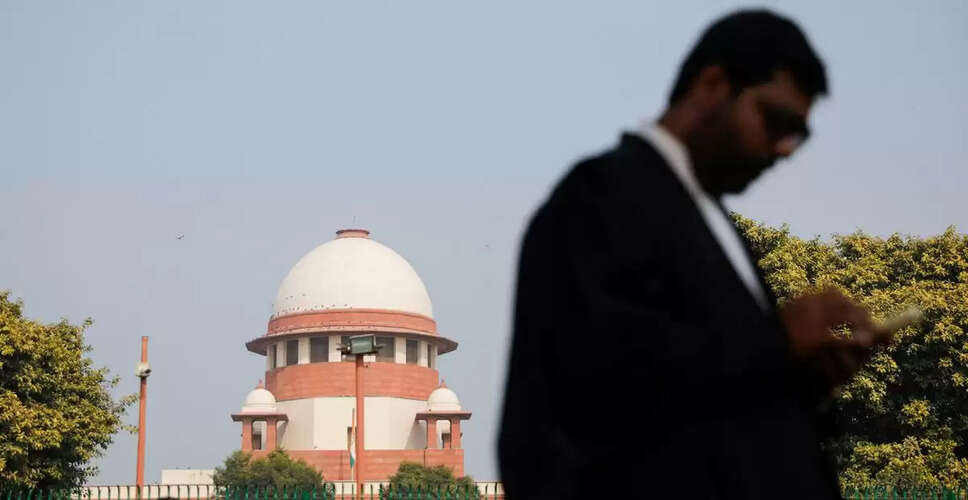
Supreme Court's Stance on Caste Enumeration
On Monday, the Supreme Court expressed its agreement with the apprehensions regarding the potential inaccuracies that could arise from relying solely on self-declaration of caste in the upcoming 2027 census, as reported by a news outlet.
Nonetheless, the court emphasized that the specifics of how caste will be recorded should be determined by the census authorities and experts in the field.
A bench led by Chief Justice Surya Kant and Justice Joymalya Bagchi refrained from intervening in the technical details of the process but urged the government and census officials to take into account the concerns raised.
This discussion arose during a public interest litigation initiated by Aakash Goel, a resident of Delhi, who highlighted the lack of publicly available criteria or standardized methods for documenting and verifying caste identity in the forthcoming census.
The lawyer representing Goel pointed out that the caste data collected would significantly impact welfare policies, reservations in government jobs and educational institutions, as well as the delimitation of parliamentary and assembly constituencies. He argued that such data should be grounded in verifiable evidence.
Chief Justice Kant acknowledged the validity of these concerns, stating that no information should be included or excluded based solely on potentially dubious or unverified certificates.
In its ruling on the petition, the Supreme Court expressed confidence that the relevant authorities would develop a reliable system to address the issues raised by the petitioner.
The court instructed the Union government, the registrar general, and the census commissioner to consider the suggestions and concerns put forth by the petitioner.
India is set to conduct its population census, which will include caste enumeration, in two phases in 2027. The last census took place in 2011, and the initial phase of the 2020 census was postponed due to the pandemic.
On April 30, the Cabinet Committee on Political Affairs approved the inclusion of caste enumeration in the next census.
Opposition parties have been advocating for a nationwide caste census, arguing that it would help accurately identify the population of Other Backward Classes and other castes, thereby facilitating the implementation of expanded quotas.