
Stress and Anxiety: Hidden Threats to Bone Health
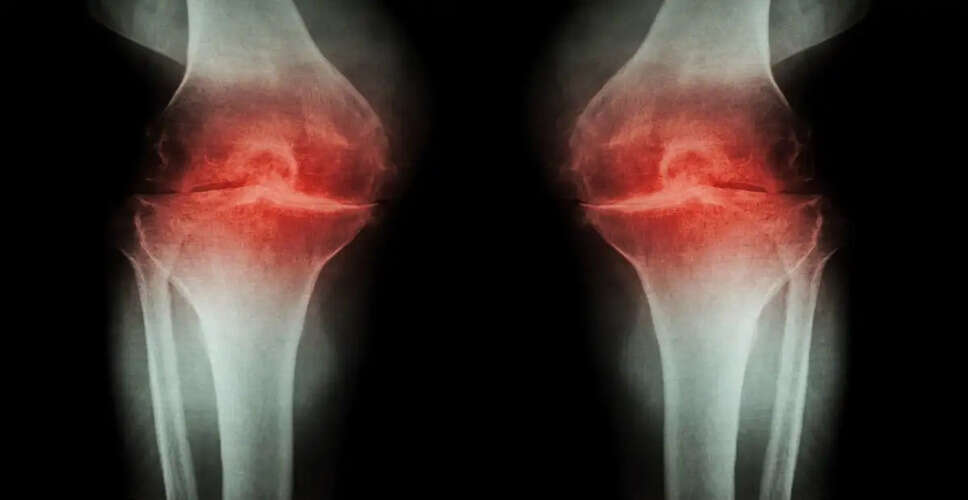
Understanding Bone Health
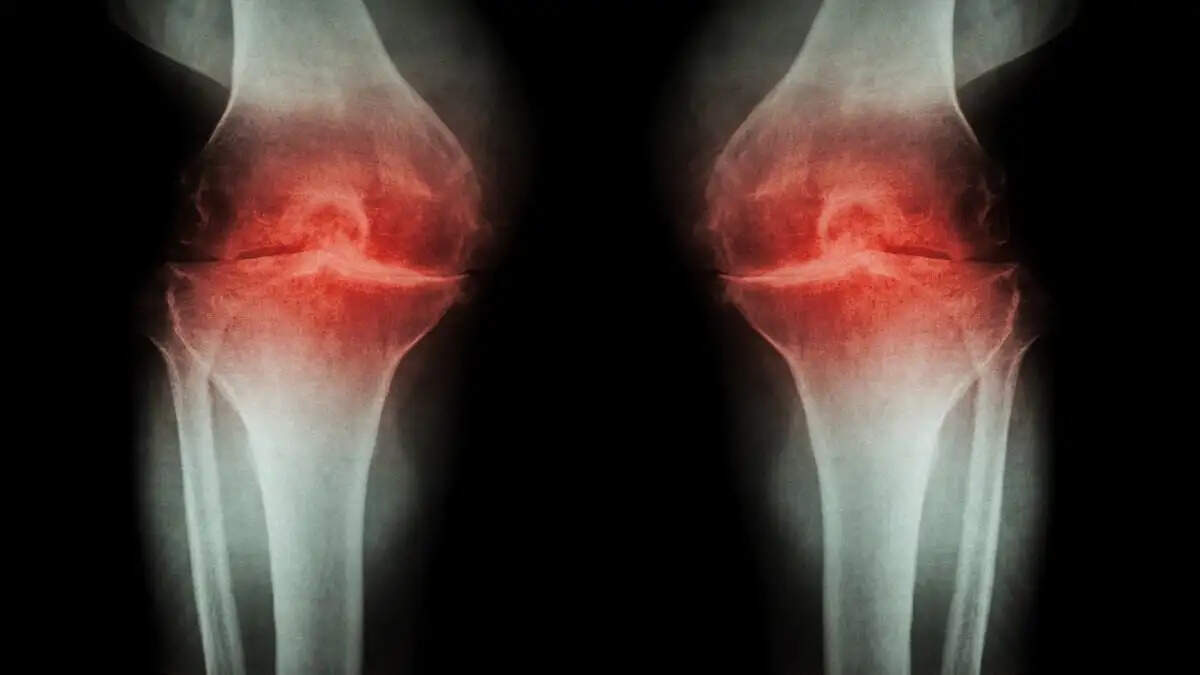
The human body comprises a total of 206 bones, fortified by calcium, vitamins, and minerals that enhance their strength. However, these nutrients also serve other functions, and when the body does not receive them through diet, it begins to extract them from the bones.
The Impact of Stress on Bone Health
Did you know that if one bodily function is not properly managed, simply taking calcium and vitamin D may not suffice? An orthopedic spine surgeon from Pune, Dr. Sameer Patil, elaborates on this issue. Many people perceive stress and anxiety as emotional challenges, but they can significantly harm bone health. Stress can lead to a depletion of calcium in bones, increasing the risk of fractures.
According to Dr. Sameer, during periods of stress or anxiety, the body releases hormones like cortisol and adrenaline into the bloodstream, prompting heightened alertness in all organs. This response accelerates the heart rate and activates muscles for quick action. While this reaction is manageable for short durations, prolonged stress can lead to muscle stiffness, pain, and discomfort.
Signs of Excessive Stress
Dr. Sameer identifies muscle stiffness as a primary indicator of excessive stress. Many individuals experience tightness in the neck, shoulder pain, and back swelling during stressful times. If this condition persists for weeks or months, it can exhaust the muscles and exacerbate pain in other areas. For instance, neck stiffness can gradually lead to headaches, further intensifying anxiety and stress.
Stress is detrimental to bones. Elevated cortisol levels hinder calcium absorption and bone repair. Prolonged stress can weaken bones, increasing the risk of osteoporosis and fractures, particularly in women due to hormonal imbalances.
Joint Health and Stress
Stress and anxiety also compromise joint health. Excessive stress can heighten inflammation in the body, posing additional challenges for arthritis patients. Physical activity may decrease due to stress, leading to increased discomfort.
Posture and Its Consequences
Chronic stress and anxiety can alter posture. Individuals may unknowingly slouch their shoulders, clench their jaws, and adopt a rigid sitting position. Over time, this can create tension in the spine and cause pain in the hips and joints, reducing flexibility and mobility.
Prevention and Treatment
Fortunately, the symptoms of stress and anxiety can be addressed. Engaging in stretching, yoga, and short walks can alleviate muscle stiffness and enhance blood flow. Techniques such as meditation, deep breathing, and relaxation exercises can strengthen the mind-body connection. It's essential to maintain a diet rich in calcium, vitamin D, and magnesium, ensure adequate sleep, and consult a physiotherapist or doctor if issues persist.
Disclaimer
This article is intended for general informational purposes only. The accuracy and effectiveness of the content are not guaranteed. Always consult your doctor for more information.