
Strengthening Ties: Indian High Commissioner Meets Bangladesh PM Amid Tensions

Diplomatic Engagement in Dhaka
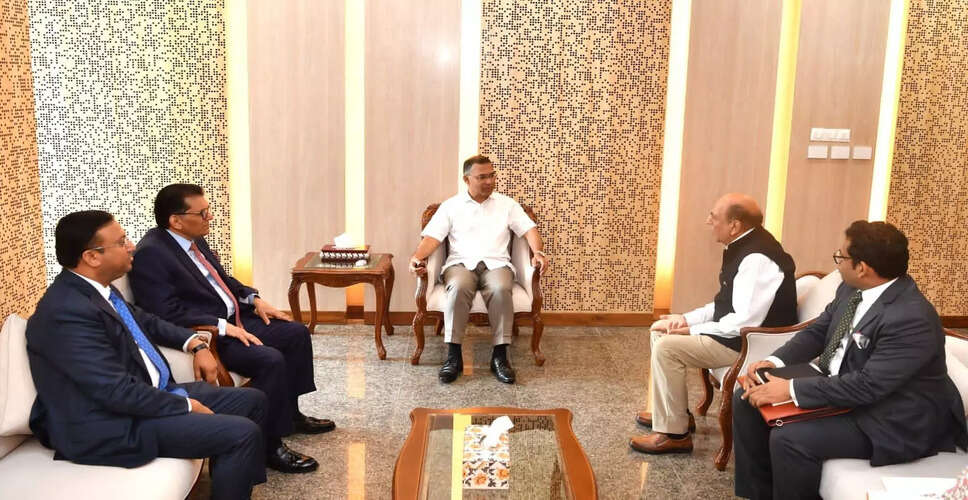
Indian High Commissioner to Bangladesh Dinesh Trivedi (2nd from right) with Prime Minister Tarique Rahman (centre), on Monday. (Photo:@bdhc_delhi/X)
Dhaka, Aug 10: On Monday, Dinesh Trivedi, the Indian High Commissioner to Bangladesh, held a meeting with Prime Minister Tarique Rahman. This encounter comes at a time of heightened tensions between the two nations, following a recent virtual media session involving former Prime Minister Sheikh Hasina from New Delhi.
The discussion lasted approximately thirty minutes and was aimed at enhancing the relationship and cooperation between the neighboring countries, as noted by the Bangladesh High Commission in New Delhi on social media. However, details of the conversation were not immediately disclosed.
This meeting occurs amidst speculation regarding Rahman's potential absence from the upcoming BRICS Summit in New Delhi, scheduled for September 12-13, as Bangladesh is currently evaluating the invitation.
This was Trivedi's inaugural courtesy visit to Rahman since assuming his role as High Commissioner in Dhaka. He was appointed in April and received the status equivalent to a Union Cabinet Minister in June for ceremonial duties.
Prior to his meeting with Rahman, Trivedi expressed optimism that a discussion between the two prime ministers could address ongoing issues in their bilateral relationship. He stated, “When two leaders meet, many problems can be resolved. I have complete confidence in the potential for resolution through this meeting. We hold Prime Minister Tarique Rahman in high regard; he is a leader who connects with the people, just as our Prime Minister does.”
On the same day, Trivedi also met with Bangladesh's Foreign Minister Khalilur Rahman, but specifics of their talks were not revealed.
This latest diplomatic initiative follows Hasina's virtual media interaction on August 5, where she expressed her intention to return to Bangladesh in December and work towards restoring democracy, despite the risks of imprisonment or execution. Dhaka responded strongly to her remarks, indicating that they had offended the sentiments of the Bangladeshi populace and could hinder efforts to mend relations with India. The Bangladeshi government has labeled Hasina as an “absconding, convicted genocider.”
In contrast, India's Ministry of External Affairs clarified that it had no role in the event, which was organized by a private organization, and did not support any opinions expressed during the session.
Hasina was removed from power in August 2024 following a student-led uprising and subsequently sought refuge in India. In November 2025, she was convicted in absentia by Bangladesh’s International Crimes Tribunal for crimes against humanity related to the 2024 protests and sentenced to death. Since then, Dhaka has been pursuing her extradition from India.