
Stranded Seafarers in the Gulf Amid Ongoing US-Iran Tensions
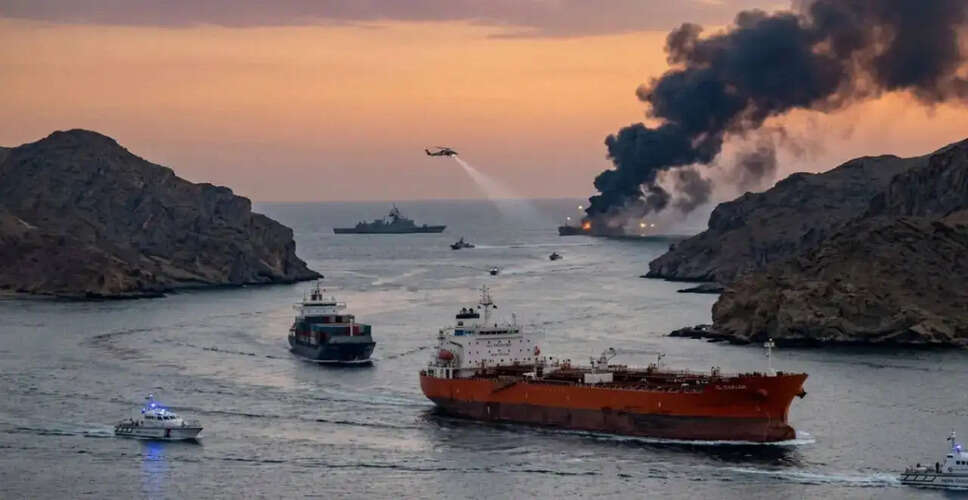

Seafarers Affected by Strait of Hormuz Conflict
Tehran: Approximately 20,000 seafarers aboard numerous vessels are currently trapped in the Gulf due to disruptions in the Strait of Hormuz, a critical passage for global oil and liquefied natural gas (LNG) transport, amid escalating tensions between the United States and Iran. Typically, around 20% of the world's oil and LNG flows through this vital waterway. According to maritime analytics from Lloyd's List Intelligence, nearly 80 ships navigated the strait during the week of April 13-19, a stark contrast to the pre-war average of over 130 vessels daily.
Since the onset of the conflict, numerous ships have faced attacks as Iran's Islamic Revolutionary Guard Corps (IRGC) has effectively established a blockade in the strait. The United Nations has reported that at least 10 seafarers have lost their lives in these incidents. The blockade was intensified following airstrikes by the US and Israel on Tehran on February 28. Despite US President Donald Trump extending a ceasefire last week, the blockade on Iranian ports remains in place, prompting Iran to retaliate by targeting vessels in the strait and seizing two ships.
India, a major provider of maritime labor, has over 20,000 nationals employed on foreign-flagged vessels in the region. The Indian Shipping Ministry announced that since the conflict began, at least 2,680 sailors have been evacuated. Among those stranded is Indian Captain Rahul Dhar, who, along with his crew, has been stuck on their tanker in the Persian Gulf for about eight weeks. Captain Dhar shared with the Associated Press that while the crew maintains their spirits through daily routines, the ongoing situation is taking its toll. He expressed a cautious optimism regarding the fragile ceasefire between the US and Iran, although the end of the conflict remains uncertain.
“We strive to keep a sense of normalcy with open discussions and small team activities to boost morale,” he stated. Meanwhile, Manoj Kumar Yadav from the Forward Seamen’s Union of India reported that many Indian sailors are aboard the stranded vessels, which are anchored near Iranian ports like Bandar Abbas and Khorramshahr. He noted that explosions have occurred alarmingly close to these ships, with sailors witnessing blasts from their decks. Yadav's union has been receiving daily distress calls from both crews and their families, with many sailors facing severe shortages of food and drinking water, leading to rationing on some vessels. Communication with families back in India has been inconsistent due to internet disruptions and signal jamming.