
Sri Lanka's Former Intelligence Chief Linked to 2019 Easter Bombings

Linking the Former Intelligence Chief to the Attacks
In a significant revelation, Sri Lanka's Minister of Public Security has informed parliament that the former head of intelligence played a pivotal role in orchestrating the 2019 Easter Sunday bombings. This marks the first instance where a government official has directly implicated a senior state figure in the tragic events that resulted in the deaths of 279 individuals. During a parliamentary session on June 10, Minister Ananda Wijepala accused retired Major General Suresh Sallay of conspiring with Islamic extremists to execute the bombings. Wijepala stated that Sallay had pinpointed a Catholic church as a target and had met with members of the extremist group just weeks prior to the attacks to gather intelligence about the location and its congregation. Sallay was arrested in February on charges of facilitating the attacks, a claim he has denied through his legal representation.
Overview of the Easter Sunday Bombings
What Were the Easter Sunday Bombings?
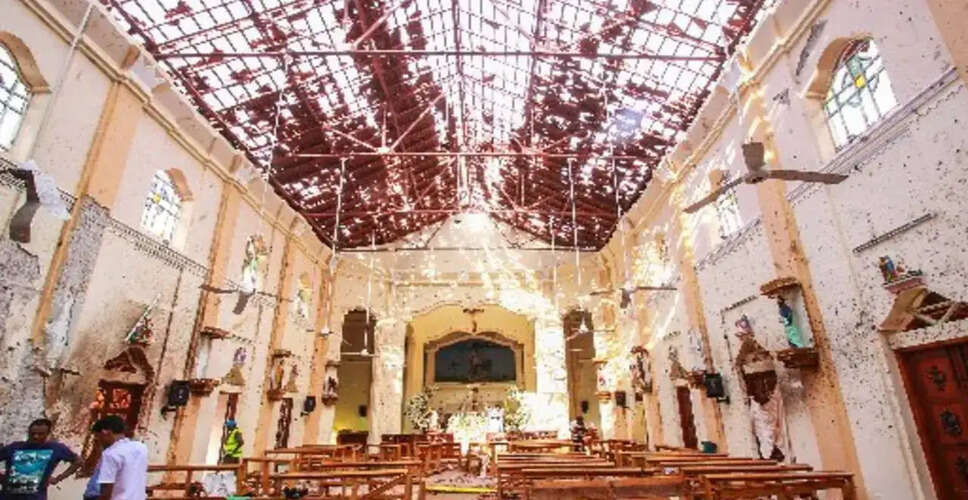
On April 21, 2019, a series of six near-simultaneous suicide bombings were executed by Sri Lankan extremists influenced by the Islamic State. The targets included three luxury hotels in Colombo and two Roman Catholic churches, along with an evangelical Protestant church located outside the capital. These attacks occurred during Easter celebrations, resulting in the deaths of 279 people, including many foreign nationals, and injuring hundreds more. This incident remains the most devastating act of terrorism in Sri Lanka since the conclusion of its civil war.
Political Unrest and Protests
A Hunger Strike and Political Protests
On June 7, Sallay was hospitalized after initiating a hunger strike while detained under the Prevention of Terrorism Act. In response, opposition activists have been staging protests in the capital, demanding his release from custody.
Investigations Expand to Former President
Former President Also in the Frame
The investigation has broadened its scope beyond Sallay. Following his questioning, authorities obtained a court order barring former president Gotabaya Rajapaksa from leaving Sri Lanka, with reports suggesting he will soon be interrogated. Although the Criminal Investigation Department has not officially named Rajapaksa as a suspect, the circumstances surrounding the bombings have raised eyebrows. Notably, Rajapaksa announced his candidacy for the presidency just two days after the attacks and subsequently won the November 2019 election by a significant margin, campaigning on a platform focused on combating Islamist extremism. Sallay was appointed as the head of the State Intelligence Service shortly after Rajapaksa assumed office.
Whistleblower Claims and Recent Reports
A Whistleblower and a 2023 Report
Allegations against Sallay are not entirely new. In 2023, British broadcaster Channel 4 reported, citing a whistleblower, that Sallay had met with the Islamist attackers prior to the bombings and had allowed the attacks to proceed with the intention of swaying the presidential election in favor of Rajapaksa. The recent statements from the minister represent the first official acknowledgment of these claims by the Sri Lankan government.