
Sri Lanka Abolishes Indelible Ink for Elections: What This Means for Voters

Sri Lanka's Shift in Election Procedures
Colombo: The government of Sri Lanka has announced the elimination of indelible ink usage for marking voters during elections. This decision comes as officials point to the added expenses and delays that the process incurs.
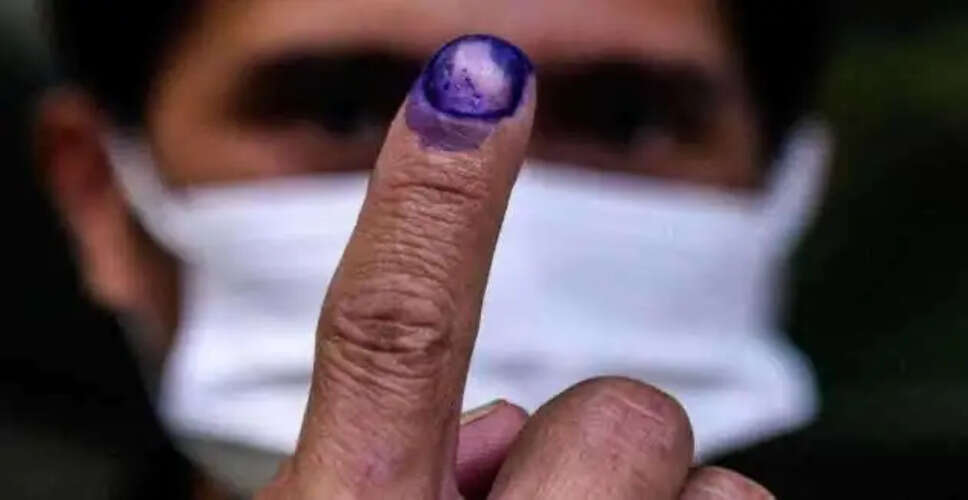
Currently, voters must present their national identity cards and have their fingers marked with indelible ink to prevent any instances of double voting.
A recent cabinet note highlighted that the two-step voter identification process at polling stations leads to unnecessary delays and financial burdens.
As a result, amendments will be made to the election laws affecting all types of elections—presidential, parliamentary, provincial council, local council, and national referenda—to eliminate the requirement for indelible ink.
The upcoming presidential election is set for late 2029, but there is increasing pressure to conduct the provincial council elections, which have been delayed since 2018.