
South Korea to Provide Cash Aid to Low-Income Earners Amid Rising Oil Prices

Financial Support for Low-Income Households
Photo: IANS
Seoul, April 11: The South Korean government has announced that it will start distributing cash assistance to the lowest 70% of income earners later this month to alleviate the financial burden caused by increasing oil prices.
The initial phase of aid distribution will target the most vulnerable individuals within this income group, commencing on April 27, followed by a broader rollout on May 18.
About 32.5 million individuals qualify for this assistance, with payments varying from 100,000 won (approximately $75) to 600,000 won per person, based on their income and regional factors.
To mitigate the economic impact of the ongoing conflict in the Middle East, the National Assembly recently approved an additional budget of 26.2 trillion won.
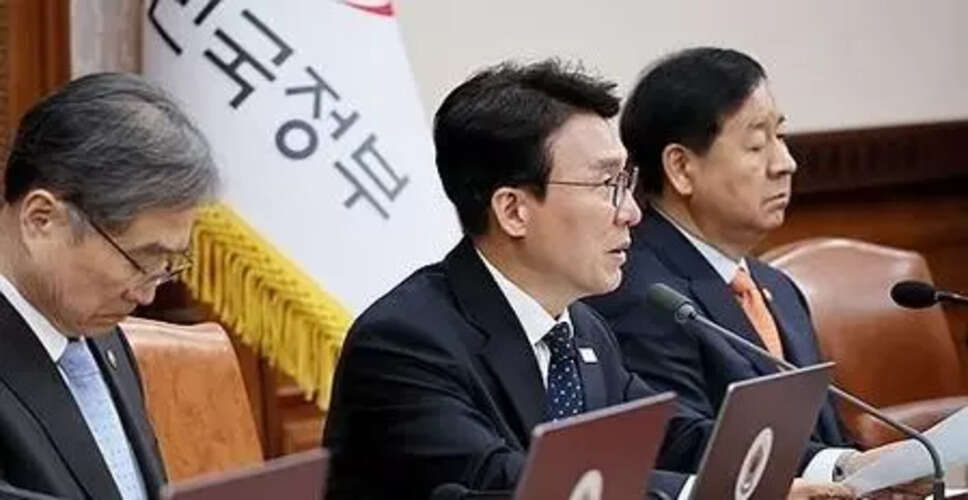
Earlier in the day, the Cabinet reviewed and sanctioned this budget, with Prime Minister Kim Min-seok emphasizing the need for swift and effective implementation.
The cash assistance initiative, which has been allocated 6.1 trillion won, is part of this financial package.
Beneficiaries can receive the funds via debit cards, preloaded cards, or local shopping gift cards. The funds must be utilized by August 31, and any remaining balance will revert to the government, as reported by Yonhap news agency.
On April 10, South Korea's central bank opted to maintain its benchmark interest rate, reflecting a cautious approach due to uncertainties in the Middle East, which pose risks of inflation, currency depreciation, and slower economic growth.
In a widely expected move, the Monetary Policy Board of the Bank of Korea (BOK) decided to keep the key rate steady at 2.5% during its latest meeting in Seoul.
This decision marks the seventh consecutive time the rate has been held steady, even as the central bank continues its easing cycle.
The BOK initiated monetary easing in October 2024, reducing the benchmark interest rate by a total of 100 basis points from 3.5% to stimulate economic growth, but has maintained the rate since July 2025.